
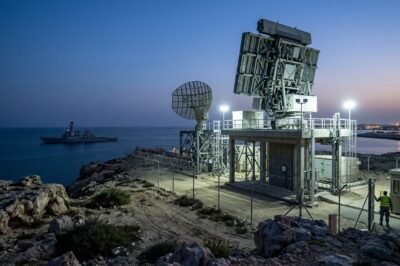
The geopolitical landscape of the Middle East has been thrust into a state of high alert following reports from Al Jazeera that Bahraini defense forces successfully intercepted a coordinated drone attack, an incident that was simultaneously met with claims from Iranian-aligned sources of targeting a critical U.S. military radar installation. This escalation marks a significant turning point in the regional security dynamic, where the use of unmanned aerial vehicles (UAVs) has moved from a peripheral threat to a central component of modern asymmetrical warfare. The incident, occurring in a region already simmering with tension due to ongoing conflicts and maritime instability, underscores the fragile nature of the security architecture surrounding the Persian Gulf. As the world watches, the narrative surrounding this thwarted attack reveals a complex web of proxy involvement, technical sophistication, and strategic signaling. The introduction of such direct threats to military infrastructure suggests a shift in the operational parameters of regional adversaries, aiming to test the defensive capabilities and political resolve of both Bahrain and its primary security guarantor, the United States. This development arrives at a time when global energy markets are hypersensitive to any disruption in the Strait of Hormuz, making the stakes higher than ever for international stakeholders and regional players alike.
The Strategic Vulnerability of Bahrain and the U.S. Fifth Fleet
Bahrain occupies a position of disproportionate strategic importance in the Middle East, serving as the headquarters for the United States Naval Forces Central Command (NAVCENT) and the U.S. Fifth Fleet. This tiny island nation is the cornerstone of American maritime strategy, providing the logistical and operational base from which the U.S. monitors and secures the flow of global commerce through the Persian Gulf. The targeting of a U.S. military radar system, as claimed by pro-Iranian elements, is not merely an act of localized aggression but a direct challenge to the American presence in the region. The Fifth Fleet is responsible for approximately 2.5 million square miles of water, including the Gulf of Oman, the Red Sea, and parts of the Indian Ocean, making its security synonymous with global maritime stability. For Bahrain, being the host of such a critical installation brings both security benefits and a heightened profile as a target for regional adversaries seeking to diminish U.S. influence.
Historically, Bahrain has maintained a robust security posture, bolstered by significant cooperation with Western allies and regional neighbors through the Gulf Cooperation Council (GCC). However, the rise of drone technology has introduced a layer of vulnerability that traditional naval and air power are often ill-equipped to handle without specialized defense systems. The Abraham Accords, which saw Bahrain normalize relations with Israel, added another layer of complexity to its security situation, potentially drawing the ire of those opposed to the new regional alignment. This thwarted attack represents a convergence of these historical and contemporary tensions, as adversaries use cutting-edge technology to bypass conventional defense perimeters and strike at the heart of the regional security apparatus. The resilience of the Bahraini air defense systems in this instance demonstrates a high state of readiness, but the persistent threat highlights a permanent shift in the threat landscape where static installations remain under constant surveillance and potential assault.
Technical Breakdown of the Thwarted Incursion
While the specific technical details of the drones used in the attack remain classified by Bahraini authorities, military analysts suggest that the profile of the incident aligns with the use of ‘kamikaze’ or one-way attack (OWA) UAVs. These systems are designed to fly low and slow to evade traditional radar detection, often utilizing GPS-guided paths or pre-programmed coordinates to reach their targets. The claim that an Iranian-linked group targeted a U.S. military radar installation suggests a level of sophistication in reconnaissance and targeting, as these installations are typically high-value and heavily defended. The interception of these drones likely involved a combination of electronic warfare countermeasures, such as jamming the control signals or GPS spoofing, and kinetic solutions like short-range air defense missiles or rapid-fire cannon systems. The ability to neutralize multiple threats simultaneously indicates that Bahrain’s ‘deep defense’ strategy is functioning, but it also reveals the increasing frequency and audacity of such incursions.
Technical intelligence gathered from similar incidents in the region, such as those targeting commercial shipping or infrastructure in Saudi Arabia and the UAE, points toward the proliferation of Iranian-designed drone platforms like the Shahed series. These drones are cost-effective, relatively easy to launch from mobile platforms, and can be deployed in swarms to overwhelm defensive sensors. The targeting of radar systems is particularly significant, as the destruction or degradation of radar capabilities would create ‘blind spots’ in the regional surveillance network, potentially facilitating further attacks or allowing for undetected movements of naval or air assets. By aiming at the eyes and ears of the U.S. military infrastructure, the perpetrators of this thwarted attack were attempting to disrupt the primary means through which the U.S. and its allies maintain situational awareness in the Gulf. This highlights the urgent need for continued investment in counter-UAS (C-UAS) technologies and integrated air defense networks that can share real-time data across regional partners.
Market Volatility and the Global Energy Supply Chain
The economic repercussions of heightened military tension in the Persian Gulf cannot be overstated. As news of the thwarted drone attack and the Iranian claims reached global markets, oil prices experienced a sudden volatility spike. Investors and commodity traders are acutely aware that any threat to the stability of Bahrain or the surrounding waters directly impacts the security of the Strait of Hormuz, through which approximately one-fifth of the world’s total oil consumption passes daily. The ‘war risk’ premium, a staple of oil pricing during times of Middle Eastern instability, was once again evident as Brent Crude and West Texas Intermediate (WTI) benchmarks saw upward pressure. The fear is not just of a single attack, but of a sustained campaign that could lead to the closure of shipping lanes or a massive increase in maritime insurance rates, both of which would have a cascading effect on global inflation and energy security.
Beyond the immediate price of oil, the financial sector is monitoring the long-term implications for regional investment. Bahrain, which has been working to diversify its economy and attract foreign direct investment (FDI) in sectors like fintech and logistics, relies heavily on its reputation as a stable and secure hub. Frequent military incidents, even when successfully thwarted, can deter international corporations from establishing long-term operations in the region. Furthermore, the cost of defense is rising; Gulf nations are being forced to allocate increasing portions of their national budgets toward sophisticated anti-drone and missile defense systems. This diversion of capital from productive economic sectors to military readiness is a hidden cost of regional instability. The intersection of security and finance is clearer than ever, as the performance of global markets remains tethered to the successful interception of a few low-cost drones in the skies over the Persian Gulf.
The Role of Iranian Proxies in Hybrid Warfare
A critical aspect of the current situation is the role of Iranian proxies and the strategy of ‘plausible deniability.’ While Iran often distances itself from direct involvement in such attacks, the groups claiming responsibility or the media outlets reporting the successes often have deep ideological and logistical ties to the Iranian Revolutionary Guard Corps (IRGC). In this case, the claims of targeting U.S. radar installations were disseminated through channels known to support the ‘Axis of Resistance.’ This hybrid warfare model allows regional actors to exert pressure, signal dissatisfaction with U.S. policy, and test defensive capabilities without triggering a full-scale conventional war. By utilizing local proxies, adversaries can maintain a state of constant, low-intensity conflict that drains the resources and morale of their targets while avoiding the direct consequences of a state-on-state confrontation.
This strategy of using proxies to conduct drone operations has been observed across the Middle East, from the Houthi rebels in Yemen to various militias in Iraq and Syria. The Bahraini incident is a continuation of this trend, albeit with a focus on a nation that is uniquely integrated into the Western security framework. The use of drones provides these proxy groups with a ‘poor man’s air force,’ giving them the ability to conduct precision strikes that were previously only possible for sovereign states with advanced air capabilities. For Bahrain and its allies, the challenge lies in how to respond to these provocations. A direct retaliation against the proxy might not deter the state sponsor, while a response against the sponsor risks a major regional conflagration. This dilemma is the heart of the security challenge in the Persian Gulf today, as traditional deterrence models struggle to adapt to the realities of hybrid and asymmetrical threats.
Diplomatic Fallout and International Sanctions
The diplomatic response to the thwarted drone attack has been swift, with several Western nations and regional partners issuing statements of support for Bahrain’s sovereignty and condemning the escalation of violence. The incident is likely to result in renewed calls for international sanctions targeting the proliferation of drone technology and the networks that facilitate the transfer of UAV components to non-state actors. In Washington, the reports have added fuel to the debate over the U.S. posture toward Iran and its regional activities. Lawmakers are increasingly advocating for a more robust ‘Integrated Air and Missile Defense’ (IAMD) system that spans across the GCC and Israel, creating a unified defensive shield that can neutralize threats before they reach their targets. This incident serves as a catalyst for deeper military and diplomatic integration among those who share a common interest in regional stability.
Furthermore, the incident complicates ongoing diplomatic efforts to address broader regional issues, including maritime security and nuclear non-proliferation. When state-aligned media in Iran celebrates attacks on U.S. military assets, it erodes the trust necessary for any meaningful diplomatic breakthrough. The Bahraini government has emphasized that it will take all necessary measures to protect its territory and its people, signaling that while it values diplomacy, it will not hesitate to use force to defend its sovereignty. The international community now faces the task of balancing the need for de-escalation with the necessity of holding the perpetrators and their sponsors accountable. The effectiveness of future diplomatic initiatives will depend heavily on the ability to address the underlying causes of these drone attacks, including the regional power struggle and the lack of a comprehensive security framework that includes all stakeholders.
Future Implications for Persian Gulf Security
Looking ahead, the thwarted drone attack in Bahrain is a harbinger of a new era of regional security where autonomous systems and electronic warfare will play a dominant role. The success of Bahrain’s defenses in this instance provides a temporary reprieve, but it also suggests that the next iteration of attacks will likely be more complex, perhaps involving larger swarms or more advanced stealth features. The security paradigm in the Persian Gulf is shifting from a focus on large-scale naval engagements to a constant, 24/7 battle for control of the low-altitude airspace. This will require a fundamental shift in how military assets are deployed and how regional alliances are structured. We can expect to see an increase in the deployment of directed-energy weapons, such as high-energy lasers, which offer a more cost-effective way to neutralize cheap drones compared to expensive interceptor missiles.
Ultimately, the long-term stability of the region will depend on whether the Gulf states and their international partners can stay ahead of the technological curve while simultaneously pursuing a diplomatic strategy that reduces the incentives for such attacks. The targeting of U.S. military radar installations is a clear signal that the rules of engagement are being rewritten by those who wish to challenge the status quo. For the global community, the priority remains the free flow of energy and the prevention of a major conflict that could destabilize the world economy. As Bahrain continues to stand on the front lines of this technological and geopolitical struggle, the lessons learned from this thwarted attack will be vital in shaping the future of defense in the Middle East. The era of the drone has arrived, and with it, a new set of challenges that will test the limits of technology, diplomacy, and the resolve of nations for years to come.




































Leave a Reply