
In Shorts
- Iran has launched missile and drone strikes targeting Gulf countries including the UAE during the widening regional conflict.
- The UAE denies attacking Iran and says it has not allowed its territory to be used for strikes against Tehran.
- Authorities say the country is focusing on defense while calling for diplomacy to prevent a wider war.
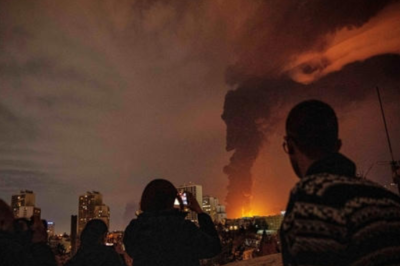
Tensions across West Asia have surged dramatically in recent days, triggering widespread speculation on social media about whether the United Arab Emirates has joined military action against Iran. The rumors gained momentum as missile interceptions and explosions were reported in parts of the Gulf region.
However, officials and international reports indicate that the UAE has not launched attacks on Iran, despite the rapidly evolving conflict.
Iran’s Missile and Drone Attacks Across the Gulf
The escalation began after coordinated military operations by the United States and Israel against Iranian targets in late February. In response, Iran launched waves of ballistic missiles and drones aimed at several Gulf nations that host American military facilities.
Among the countries affected were the United Arab Emirates, Saudi Arabia, Qatar and Bahrain. The UAE reported numerous interceptions by its air defense systems as missiles and drones approached its airspace.
Authorities confirmed that debris from intercepted projectiles caused damage in areas of Dubai and other locations, while casualties and injuries were also reported during the attacks.
UAE Denies Attacking Iran
Despite speculation, the UAE government has maintained that it is not a participant in the war against Iran. Officials said the country has not allowed its territory, waters or airspace to be used for any offensive operations targeting Tehran.
The UAE emphasized that its military actions have been strictly defensive, aimed at intercepting missiles and drones targeting its territory and protecting residents.
Authorities also reiterated their longstanding policy of supporting diplomatic solutions to regional conflicts and avoiding direct confrontation whenever possible.
A War That Is Spreading Across West Asia
The broader conflict has intensified rapidly, with missile strikes, air raids and drone attacks reported in several countries across the region. Military exchanges between Iran and the US-Israel alliance have already caused significant casualties and damage to infrastructure.
Analysts warn that the attacks on Gulf nations represent an attempt by Iran to widen the battlefield and pressure regional states that host Western forces. The strategy has already disrupted air travel, damaged infrastructure and raised fears of a much larger regional war.
Calls for De-escalation
As tensions rise, Gulf countries including the UAE have urged restraint and diplomatic engagement to prevent the conflict from spiraling further. Officials say expanding the war across the region could destabilize economies, disrupt global trade routes and threaten millions of civilians.
For now, the UAE remains in a defensive posture, focusing on protecting its territory while urging international efforts to contain the crisis.





































Leave a Reply