
The Volatile Threshold of a Regional Conflict
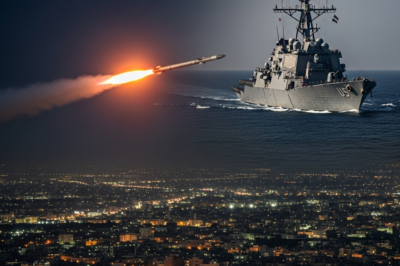
The geopolitical landscape of West Asia is currently teetering on the edge of a catastrophic escalation as new reports emerge detailing a significant Houthi missile attack on Saudi Arabia’s southern province of Jizan, coupled with a high-stakes maritime operation by the United States military. The Houthi movement, also known as Ansar Allah, has officially claimed responsibility for a ballistic missile strike targeting the industrial and strategic city of Jizan, a move that threatens to dismantle the fragile, undeclared truce that has largely held between Riyadh and Sanaa over the past year. Simultaneously, the U.S. Central Command (CENTCOM) has reportedly ‘disabled’ a commercial tanker that was allegedly attempting to circumvent an international blockade on Iranian-controlled ports. These twin developments underscore a worrying trend: the localized conflict in Yemen is rapidly morphing into a broader regional war that involves global superpowers and critical trade arteries. The implications for global energy security, maritime law, and regional stability are profound, as the Red Sea and the surrounding territories become a primary theater for kinetic military engagements.
The Jizan Strike: A Direct Challenge to Saudi Security
The missile attack on Jizan marks a significant departure from recent months of relative calm on the Saudi-Yemeni border. Jizan is home to a massive Aramco oil refinery and crucial infrastructure projects, making it a high-value target for Houthi forces seeking to exert leverage over the Saudi leadership. According to Houthi military spokespersons, the strike utilized a sophisticated ballistic missile capable of bypassing conventional air defense systems. While Saudi authorities have yet to provide a full accounting of the damage or casualties, the psychological impact of the strike is undeniable. For Saudi Arabia, which has been attempting to pivot its national strategy toward ‘Vision 2030’ and internal economic development, the prospect of renewed border hostilities is a nightmare scenario. The attack serves as a stark reminder that despite diplomatic overtures and back-channel negotiations mediated by regional actors, the Houthis retain both the intent and the capability to strike deep into Saudi territory. This escalation is viewed by many analysts as a signal from Tehran, via its proxy, that any increased pressure on the ‘Axis of Resistance’ elsewhere in the region—particularly in Gaza or Lebanon—will meet a response that directly threatens the economic interests of U.S. allies.
U.S. Military Intervention and the ‘Tanker War’ 2.0
In a parallel development that has sent ripples through the international shipping community, the U.S. military has taken direct action against a tanker attempting to evade the port blockade on Iran. Details released by naval sources suggest that the vessel was intercepted in international waters after failing to comply with directives. The term ‘disabled’ in this context suggests a precision operation—likely involving the targeting of the ship’s propulsion or steering systems—to prevent it from reaching its destination without causing a catastrophic oil spill. This incident represents a hardening of the U.S. position regarding Iranian maritime exports and the enforcement of sanctions. It echoes the ‘Tanker War’ of the 1980s, where commercial vessels became the primary targets of state-sponsored aggression in the Persian Gulf. By disabling the vessel, the U.S. is sending a clear message to the ‘ghost fleet’ of tankers that facilitate Iran’s oil trade: the risks of non-compliance have shifted from financial penalties to direct military intervention. This move also places the U.S. Fifth Fleet, based in Bahrain, in a direct confrontational stance with Iranian naval elements and their regional affiliates, significantly increasing the risk of a miscalculation that could lead to a larger naval engagement.
The Iranian Nexus and the Strategy of Asymmetric Warfare
The coordination between Houthi missile strikes and Iranian attempts to break maritime blockades is not accidental. Tehran has long utilized a strategy of asymmetric warfare to offset the conventional military superiority of the United States and its regional partners. By supplying the Houthis with advanced drone and missile technology, Iran can project power across the Bab el-Mandeb strait without committing its own regular forces to direct combat. This ‘plausible deniability’ allows Iran to influence the global oil market and maritime security while maintaining a diplomatic stance. However, the recent U.S. action to disable a tanker suggests that the policy of containment is shifting toward active deterrence. The U.S. and its allies are increasingly concerned that the IRGC (Islamic Revolutionary Guard Corps) is using commercial shipping routes to transport not just oil, but also weaponry and electronic components to various militant groups. The blockade, therefore, is not merely economic but a strategic effort to sever the supply lines of the ‘Axis of Resistance.’ As the U.S. ramps up its maritime presence through Operation Prosperity Guardian, the friction between western naval coalitions and Iranian-backed groups is reaching a boiling point.
Global Economic Fallout: Shipping, Insurance, and Oil Prices
The economic consequences of these military actions are being felt across the globe. The Red Sea is a vital artery for international trade, carrying approximately 12% of the world’s total maritime commerce. The threat of missile strikes and naval interdictions has forced many of the world’s largest shipping companies—including Maersk and Hapag-Lloyd—to divert their vessels around the Cape of Good Hope. This detour adds thousands of miles to the journey, significantly increasing fuel costs and transit times, which in turn drives up the price of consumer goods and energy. Furthermore, the insurance industry has reacted with alarm; war risk premiums for vessels traversing the Red Sea and the Gulf of Aden have skyrocketed, making it financially unviable for many smaller carriers to operate in the region. If the Houthi attacks on Jizan or similar industrial hubs continue, the volatility in Brent Crude prices could undermine global efforts to control inflation. The intersection of kinetic warfare and global logistics has turned the West Asia conflict into a worldwide economic concern, where a single missile or a disabled tanker can trigger a chain reaction that affects the pocketbooks of citizens thousands of miles away.
Strategic Deadlock and the Failure of Diplomacy
Despite numerous attempts at mediation by the United Nations and regional powers like Oman and Qatar, a definitive diplomatic solution to the West Asia crisis remains elusive. The core of the problem lies in the fundamentally different objectives of the key players. Saudi Arabia seeks a stable border and an end to Houthi provocations to focus on domestic growth. The Houthis, emboldened by their survival through years of war, seek international recognition and a share of Yemen’s oil wealth. Meanwhile, the United States is caught between its desire to pivot away from Middle Eastern conflicts and the necessity of protecting global shipping lanes and its alliance with Israel. The UN Security Council has been largely paralyzed by the competing interests of its permanent members, with China and Russia often providing a diplomatic shield for Iran against Western-led sanctions. This strategic deadlock has created a vacuum where military force becomes the primary language of negotiation. The disabling of the tanker and the Jizan missile claim are symptoms of a failed diplomatic process where each side believes that only escalation can bring the other to the bargaining table.
Conclusion: Navigating an Uncertain Future
The recent events in Jizan and the high seas indicate that the West Asia war is entering a more dangerous and unpredictable phase. We are no longer seeing isolated incidents of rebellion or civil war; we are witnessing a coordinated regional struggle for dominance that ignores international borders and maritime law. The disabling of a tanker by U.S. forces represents a significant escalation in enforcement tactics, while the Houthi strike on Jizan proves that the rebels are willing to risk a renewed full-scale war with Saudi Arabia to achieve their political goals. As the international community watches with bated breath, the risk of a misstep—a missile hitting a civilian target or a naval skirmish turning into a fleet engagement—has never been higher. The coming weeks will be critical in determining whether the region can find a path back toward de-escalation or if these flashes of violence are the precursors to a conflagration that will redraw the map of the Middle East and reshape the global economic order for decades to come.




































Leave a Reply