
The Epicenter of Unrest: Rahul Gandhi Takes a Stand in New Delhi
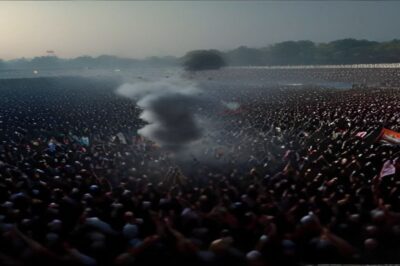
The heart of the national capital became a crucible of intense political activity as Rahul Gandhi, the prominent face of the Indian National Congress, launched a high-profile dharna. This protest is not merely a symbolic gesture of opposition but a direct response to a harrowing incident involving a young citizen named Sahil. The air in New Delhi is thick with tension as Congress supporters and police forces face off, marking a significant escalation in the ongoing friction between the opposition and the ruling government. This demonstration serves as a poignant reminder of the volatile intersection between civil liberties and state power. The presence of top Congress leadership on the streets underscores the gravity of the situation, signaling that the party is ready to take its grievances beyond the halls of Parliament and directly to the public square. This live event has captured the attention of the nation, as it highlights the persistent issues of police conduct and the right to peaceful protest in the world’s largest democracy.
The Catalyst: Sahil’s Complaint and the DCP’s Acknowledgement
At the center of this burgeoning political storm is Sahil, a victim who alleges he was injured by a pellet gun during a recent confrontation. The New Delhi Deputy Commissioner of Police (DCP) has officially confirmed the receipt of Sahil’s complaint, a move that has provided the Congress party with the necessary legal and moral leverage to intensify their protest. Pellet guns, often associated with conflict zones, have become a controversial tool in crowd management, and their use in the national capital has sparked outrage across various sectors of society. Sahil’s story is being framed by the Congress as a narrative of state excess against a common citizen. The police department’s confirmation of the complaint marks the beginning of a legal process that will be closely watched by human rights activists and political analysts alike. The specific circumstances leading to Sahil’s injury are currently under investigation, but the political narrative has already outpaced the legal proceedings, with Rahul Gandhi leading the charge for accountability and justice.
Historical Context: The Evolution of Congress Protests
To understand the significance of this dharna, one must look at the recent history of the Indian National Congress under Rahul Gandhi’s influence. Following the Bharat Jodo Yatra, Gandhi has increasingly adopted a grassroots approach, focusing on direct engagement with the masses. This current protest in New Delhi is a continuation of that strategy, aimed at portraying the Congress as the primary defender of the common man’s rights. Historically, the use of non-violent protests or ‘dharnas’ has been a foundational tool for the party since the independence movement. However, the stakes are higher in the digital age, where every moment is documented and broadcast live. The party’s transition from a legislative-focused opposition to an ‘on-the-streets’ activist force reflects a broader shift in Indian politics, where visibility and physical presence are as crucial as policy debates. By centering the protest around a specific victim like Sahil, Gandhi is humanizing political grievances, making them more relatable to the average citizen.
Legal Implications and the Controversy of Pellet Guns
The use of pellet guns has long been a subject of international scrutiny and domestic debate. Originally intended as a ‘non-lethal’ alternative to live ammunition, pellet guns have caused permanent disabilities, including blindness, to hundreds of individuals in various regions. Their reported use in a protest setting in New Delhi raises serious questions about the Standard Operating Procedures (SOPs) followed by the police. Legal experts argue that the use of such force must be proportional to the threat faced by law enforcement. Sahil’s complaint will likely serve as a test case for the legality of using such weapons in urban protest management. Human rights organizations have frequently called for a total ban on pellet guns, citing their indiscriminate nature. As the DCP processes the complaint, the legal battle will likely focus on whether the force used was necessary or if it constituted an abuse of power. This legal dimension adds a layer of complexity to the political dharna, turning a street protest into a potential judicial landmark.
The Strategic Impact on National Politics
The timing of this dharna is crucial, coming at a time when the political climate is heating up ahead of major electoral cycles. For Rahul Gandhi, this is an opportunity to consolidate the opposition’s voice and challenge the government’s narrative on law and order. By taking a stand in the capital, the Congress is attempting to force the ruling party into a defensive position regarding civil rights and police transparency. This move also serves to energize the Congress cadre, providing them with a clear cause and a visible leader. Political analysts suggest that these types of protests are essential for the opposition to maintain relevance in a media landscape often dominated by the government’s activities. The collaboration of several senior Congress leaders in the dharna indicates a unified front, which is vital for the party’s long-term strategy of building a formidable challenge to the current administration.
The Role of Media and Public Perception
In today’s hyper-connected world, the battle for public perception is fought in real-time. The live coverage of the dharna by major news outlets and the viral nature of Sahil’s story on social media have ensured that the incident remains in the public eye. The Congress party’s media wing has been active in disseminating images and videos of the protest, framing the narrative as ‘The People vs. The State.’ On the other hand, the government and its supporters have countered by questioning the motives of the protest and the circumstances surrounding the initial incident. Public opinion is divided, with some seeing the dharna as a necessary check on power, while others view it as a political maneuver designed to create disruption. The way this story is framed in the coming days will have a significant impact on how both the Congress and the police are perceived by the neutral electorate.
Conclusion: A Crossroads for Governance and Activism
The ongoing dharna led by Rahul Gandhi in Delhi is more than just a news headline; it is a symptom of a deeper struggle over the nature of dissent in India. As the New Delhi DCP investigates Sahil’s complaint, the eyes of the nation remain fixed on the capital. The outcome of this protest and the subsequent legal investigation will likely influence future protest dynamics and police conduct across the country. For Rahul Gandhi, this moment represents a test of his leadership and his ability to convert public grievances into a sustained political movement. For the government, it is a challenge to maintain order while respecting the democratic right to protest. As the day progresses, the resolution of this standoff remains uncertain, but one thing is clear: the dialogue between the state and its citizens has reached a critical juncture, and the repercussions will be felt far beyond the streets of New Delhi.





































Leave a Reply