
In Shorts
- India tracked multiple ships operating near the Strait of Hormuz amid rising conflict in West Asia.
- Diplomatic coordination with regional nations helped secure safe passage for key energy vessels.
- The strategic waterway handles a large share of global oil shipments, making disruptions a major concern for India.
India has been closely monitoring the movement of its merchant ships near the critical shipping corridor known as the Strait of Hormuz as tensions in West Asia threaten global trade routes. Authorities tracked Indian vessels in the region to ensure the safety of crew members and the continuity of energy supplies to the country.
The waterway is one of the most strategically important maritime routes in the world. Nearly one fifth of global oil shipments move through the strait, making it vital for countries like India that rely heavily on energy imports from Gulf nations. Any disruption in the passage could affect global fuel markets and domestic supply chains.
Recent geopolitical tensions involving Iran, Israel, and the United States have increased security risks for commercial shipping in the region. Attacks on merchant vessels and threats to block the strait have raised concerns among governments and shipping companies worldwide.
In response, Indian authorities tracked all Indian-flagged ships operating close to the strait and maintained constant communication with maritime agencies and regional partners. The monitoring exercise helped officials assess potential threats and plan safe navigation routes for vessels carrying critical cargo such as crude oil and liquefied petroleum gas.
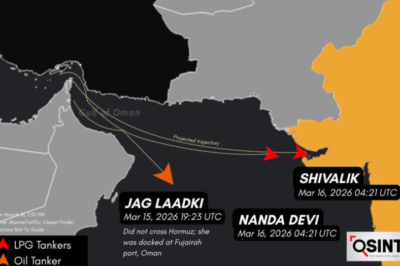
Diplomatic engagement also played a key role. Indian officials maintained contact with several West Asian governments to ensure that ships linked to India could move safely through the high-risk corridor. Through such coordination, at least two India-bound LPG tankers successfully crossed the strait during the ongoing crisis.
According to officials, India currently has several ships and hundreds of seafarers operating in the Gulf region. Ensuring their safety has become a top priority amid the volatile security environment. Discussions with regional partners have focused on protecting maritime trade and preventing disruptions to energy supplies that are essential for the Indian economy.
Experts say the developments highlight how geopolitical conflicts can quickly impact global trade routes. The Strait of Hormuz remains a critical chokepoint for energy transportation, and any prolonged instability could influence oil prices, shipping insurance costs, and supply chains across the world.
For India, the strategy combines maritime monitoring, diplomatic outreach, and contingency planning. By closely tracking its vessels and coordinating with partners in the region, the country aims to ensure that vital shipments continue to reach its shores despite growing tensions in the Middle East.



































Leave a Reply