
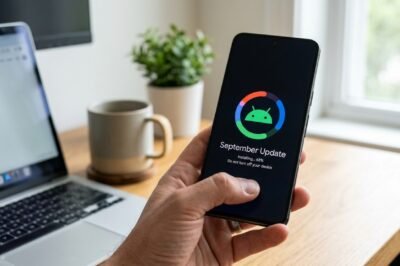
The mobile operating system landscape is currently undergoing a seismic shift, moving away from simple annual releases toward a model of continuous evolution and intelligence. Google’s September Android update is not merely a collection of security patches; it represents a strategic milestone in the company’s mission to unify its hardware, software, and artificial intelligence capabilities. With over 3.9 billion active devices worldwide, every adjustment Google makes to the Android framework ripples across the global digital economy, influencing how we interact with technology, each other, and the physical world. This latest update arrives at a critical juncture, bridging the gap between the current Android 14 stable release and the highly anticipated rollout of Android 15. It serves as a testament to Google’s commitment to inclusivity, productivity, and cross-device synergy. As users increasingly demand more from their handheld devices, Google is pivoting toward a future where the operating system is not just a platform for apps, but an intelligent companion that anticipates needs and lowers barriers to accessibility. This deep-dive analysis explores the five pivotal features of the September update and examines their broader implications for the tech industry and the millions of users who rely on the Android ecosystem every day. To understand the significance of this update, one must look at the broader trajectory of mobile computing. For years, Android was criticized for its fragmentation and the perceived lag in feature consistency across different manufacturers. However, through the introduction of Google Play System updates and the refinement of ‘Feature Drops,’ Google has reclaimed control over the user experience. The September update is a prime example of this newfound agility. It focuses heavily on the ‘At a Glance’ philosophy, where information is served to the user before they even realize they need it. By leveraging advanced machine learning models directly on the device, Google is enhancing privacy while simultaneously boosting performance. This transition marks a departure from cloud-dependent features, moving toward a more secure, local-first approach to artificial intelligence. ## Empowering Inclusivity: The AI Revolution in Accessibility Features. One of the most significant pillars of the September update is the dramatic enhancement of the Lookout app, which utilizes AI to assist individuals who are blind or have low vision. Previously, the app could identify objects and text, but the new update introduces an ‘Image Q&A’ feature powered by Google’s DeepMind technology. Users can now ask complex, open-ended questions about images—even those without alt-text—and receive detailed, context-aware descriptions. This is a massive leap forward in digital accessibility, moving beyond simple labels to provide a rich, narrative understanding of visual content. Statistics from the World Health Organization suggest that over 2.2 billion people have a near or distant vision impairment; for this demographic, these updates are life-changing. Furthermore, the TalkBack screen reader is receiving a massive boost through the integration of Gemini-powered descriptions, ensuring that no user is left behind in the visually-driven world of modern social media and digital communication. These improvements demonstrate that for Google, AI is not just a buzzword but a tool for social equity. ## Wearable Synergy: Redefining the Smartwatch Experience with Wear OS. The September update brings a renewed focus on the wrist, specifically targeting the integration between Android smartphones and Wear OS devices. A standout feature is the addition of Google Calendar to the Wear OS platform, allowing users to view their schedules, respond to invitations, and navigate to meeting locations directly from their smartwatch. This reduces ‘phone friction,’ the tendency for users to get distracted by social media notifications when they only intended to check their schedule. Additionally, WhatsApp is expanding its presence on Wear OS, enabling users to start new chats and respond to messages using voice-to-text without ever touching their phone. This level of cross-device fluidity is essential for Google to compete with the tightly-knit Apple ecosystem. By making the smartwatch a truly independent productivity tool rather than just a notification mirror, Google is driving the adoption of wearables among professionals and busy commuters who prioritize efficiency. ## Connectivity and Ecosystem Synergy: Android Auto and Communication. As we move into an era of hybrid work, the car has become an extension of the office. Recognizing this, the September update introduces significant upgrades to Android Auto. Users can now join scheduled conference calls via Webex or Zoom directly from their car’s display, with audio-only support to ensure driver safety. This feature addresses a major pain point for mobile professionals who previously had to juggle their phones while driving. Moreover, the update streamlines the process of sharing digital car keys across different phone brands, moving toward a universal standard for vehicle access. This move not only enhances convenience but also highlights Google’s role in setting industry standards for the ‘Internet of Things’ (IoT). The integration of entertainment features, such as the addition of more streaming apps for parked cars, further cements Android Auto as a comprehensive infotainment platform that caters to both work and leisure. ## Security Foundations: The Unsung Hero of the September Patch. While the flashy consumer features often steal the headlines, the underlying security improvements in the September update are what keep the ecosystem viable. This month’s patch addresses several ‘High’ and ‘Critical’ vulnerabilities within the Android System and the Linux kernel. Specifically, Google has patched flaws in the Qualcomm and MediaTek components that could have allowed for remote code execution. In an age where mobile banking and digital identities are the norm, these security updates are the bedrock of user trust. Data from cybersecurity firms indicates that mobile malware is on the rise, targeting outdated operating systems. By pushing these patches through the Google Play System, Google ensures that even users on older devices or different OEM platforms receive protection faster than ever before. This proactive stance on security is a clear signal to enterprise customers that Android is a robust, secure choice for corporate deployment. ## Strategic Market Analysis: Preparing for the Android 15 Era. The timing of the September update is strategically aligned with the final testing phases of Android 15. This update serves as a ‘polishing’ release, ensuring that the existing framework is stable before the next major version introduces radical changes like ‘Private Space’ and enhanced satellite connectivity. Market analysts observe that Google is using these monthly updates to maintain user engagement and prevent ‘churn’ to iOS. By consistently adding value between major releases, Google changes the narrative from ‘waiting for the next version’ to ‘enjoying a constantly improving device.’ This strategy has helped Android maintain its dominant market share in Europe and Asia, where users are highly sensitive to software longevity and feature sets. Furthermore, the emphasis on AI integration in this update sets the stage for the Pixel 8 and 9 series to showcase Google’s ‘AI-first’ vision, positioning the company as the leader in generative mobile intelligence. ## Looking Ahead: The Future of the Intelligent Mobile OS. In conclusion, Google’s September Android update is a multifaceted release that prioritizes the human element of technology. By focusing on accessibility, productivity, and security, Google is not just maintaining an operating system; it is refining a digital companion. The future of Android lies in its ability to seamlessly weave itself into the fabric of our daily lives, whether through a watch, a car, or a smartphone. As we look toward Android 15 and beyond, the trends established in this update—AI-driven accessibility, cross-device continuity, and proactive security—will undoubtedly become the standard for the entire industry. For developers, this update provides new APIs and tools to create more inclusive apps. For consumers, it offers a more powerful, safer, and intuitive experience. Google has proven once again that the strength of Android lies in its diversity and its relentless pursuit of innovation, ensuring that it remains the most versatile operating system on the planet.
Google’s September Android Update Analysis: Transforming the Mobile Ecosystem Through AI and Integration
Posted by
Stories





-

Hunkkaar Teaser Analysis: Aneet Padda’s Gritty Transformation and the Evolving Landscape of Indian Thrillers
-

Mithila Palkar: The Relatable Queen of Indian Web Series and Her Meteoric Rise
-

Wamiqa Gabbi: The Meteoric Rise of Indian Web Series’ Most Versatile Leading Lady
-

Triptii Dimri Biography: The Evolution of India’s Newest Cinematic Sensation and Web Series Star
-

Wamiqa Gabbi: The Rise of India’s New Digital Icon and the Future of OTT Stardom
-

Mithila Palkar: The Unstoppable Evolution of India’s Digital Darling and Her Journey to the Silver Screen
-

Mithila Palkar: The Comprehensive Journey of India’s Web Series Sensation and Digital Pioneer
-

Mithila Palkar: The Relatable Queen of Indian Web Series and Her Inspiring Journey to Stardom
-

Sobhita Dhulipala Biography: The Meteoric Rise of India’s Most Versatile Web Series Star
-

Mithila Palkar: The Unstoppable Journey of India’s Digital Darling and Web Series Queen
-

Triptii Dimri: The Complete Biography of India’s Newest Cinematic Sensation and Web Series Icon
-

Wamiqa Gabbi: The Ethereal Rise of India’s Most Versatile Web Series Star
-

Sobhita Dhulipala: The Unstoppable Rise of India’s Most Versatile Web Series Icon
-

Wamiqa Gabbi: The Meteoric Rise of the New Queen of Indian Web Series and Her Unstoppable Journey to Stardom
-

Triptii Dimri: The Meteoric Rise of India’s New Cinema Sweetheart and Web Series Icon
-

Wamiqa Gabbi: The Versatile Queen of Indian OTT and Her Phenomenal Rise to Stardom
-

Tripti Dimri Biography: The Rise of India’s New National Crush and Her Journey from Laila Majnu to OTT Stardom
-

Wamiqa Gabbi Biography: The Meteoric Rise of India’s Newest OTT Sensation and Versatile Powerhouse
-

Wamiqa Gabbi Biography: The Meteoric Rise of the Digital Queen of Indian Web Series
-

The Rise of Wamiqa Gabbi: A Deep Dive into the Journey of India’s Most Versatile OTT Sensation
-

The Meteoric Rise of Triptii Dimri: Biography, Acting Prowess, and the Journey of India’s Newest Cinema Sensation

Launching Soon: The Future of News with Our E-Newspaper
In the ever-evolving landscape of media and technology, we are thrilled to announce the upcoming launch of our innovative e-newspaper, set to redefine the way news is consumed in the digital age. Embracing the convenience and accessibility that the digital world offers, our e-newspaper aims to deliver real-time news updates, insightful articles, and interactive features directly to your devices. With a commitment to journalistic integrity and a passion for storytelling, we are dedicated to keeping you informed, engaged, and connected, no matter where you are. Stay tuned for the launch of our e-newspaper, where the future of news awaits at your fingertips.
Recent News
- Google’s September Android Update Analysis: Transforming the Mobile Ecosystem Through AI and Integration

- Recycling the Stars: How a Cold War Surplus Mirror from the NRO Transformed into the Nancy Grace Roman Space Telescope

- Nvidia bets $13 billion on open AI models with Hugging Face deal – reuters.com

- Engineering a Soft Shield: A Self-Healing Hydrogel for Impact Protection – ChemistryViews

- Cancer Horoscope Today: September 4, 2026 – Vogue India

- The Phenomenon of Hanuman Ansh: Analyzing the Day 28 Box Office Surge and Vishal Chaturvedi’s Cinematic Mastery

Politics
- The India-Iran-USA Triad: Deciphering the Geopolitical Fallout of the Modi-Pezeshkian Meeting

- Rupee gains 47 paise as record FCNR inflows boost forex liquidity – The Times of India

- Air Marshal (retd.) Jeetendra Mishra Appointed First CEO of Ram Temple Trust: A New Era of Administrative Excellence

- Strategic Realignment: Iran’s New War Strategy and the Global Response to Rising West Asian Tensions

- India’s Economic Resurgence: A Comprehensive Analysis of the 7.8 Percent Q1 Growth Beat

- Beyond the Ballot: An In-Depth Analysis of the RSS-BJP Power Dynamic and Mohan Bhagwat’s Evolving Rhetoric

Categories
- Art & Culture 101
- Auto 85
- Beauty 15
- Blog 255
- Books 7
- Business 359
- Celebrities 217
- Crime Files 139
- Democracy 308
- Education 84
- Entertainment 154
- Environment 133
- epaper 1
- Fashion 37
- Food 58
- Gadgets 86
- Guide 150
- Handicrafts 11
- Health 266
- Healthy Living 107
- History 5
- incidents 156
- Lifestyle 38
- Music 5
- Photography 15
- Politics 429
- Science & Technology 160
- Sports 230
- Tech 123
- Television 2
- Travel 68
- Travel & Tourism 30
- Trends 41
- Weather 8
- Web Series 97
- Workout 4
- World 654
Leave a Reply