
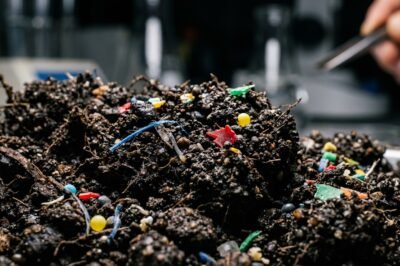
The global environmental discourse has long been dominated by the haunting images of plastic-choked oceans and marine life entangled in synthetic debris. However, a far more insidious and potentially more catastrophic crisis is unfolding beneath our feet. Recent scientific investigations, highlighted by a significant report in The Guardian, have brought to light the devastating reality of microplastics in our soil. These microscopic fragments, measuring less than five millimeters in diameter, are no longer viewed merely as inert pollutants. Instead, researchers are sounding the alarm on their role as a ‘Trojan horse,’ a sophisticated delivery mechanism that transports a lethal cocktail of environmental toxins directly into the terrestrial food chain. This revelation marks a pivotal shift in our understanding of plastic pollution, moving the focus from surface-level aesthetics to the fundamental health of the earth that sustains us. As these particles accumulate in agricultural lands, they don’t just stay there; they transform the chemical and biological composition of the soil, creating a legacy of contamination that could last for centuries. This detailed analysis explores how these synthetic intruders are compromising our global food security and what this means for the future of humanity.
The ‘Trojan Horse’ Mechanism: A Vector for Toxicity
The term ‘Trojan horse’ is not used lightly by environmental scientists. In the context of soil health, it refers to the unique chemical properties of microplastics that allow them to adsorb—or stick to—hydrophobic organic pollutants and heavy metals present in the environment. Because plastic is synthetic and carbon-based, it acts like a magnet for industrial chemicals, pesticides, and flame retardants that are otherwise dispersed in the environment. Once these toxins are concentrated on the surface of a microplastic particle, the particle becomes a highly concentrated delivery vehicle for poison. When soil organisms like earthworms or even plant roots interact with these particles, the toxic load is released, often in a more bioavailable and harmful form than if the chemicals were simply present in the soil alone.
Furthermore, the physical structure of microplastics contributes to this vector effect. Their high surface-area-to-volume ratio means they can carry a significant amount of contaminants relative to their size. As these plastics degrade into even smaller nanoplastics, their ability to penetrate biological membranes increases exponentially. This means that toxins aren’t just sitting on the surface of the soil; they are being actively ferried into the internal systems of plants and animals. This mechanism bypasses the natural filtering processes of the soil, effectively smuggling dangerous substances into the very foundations of our biological life cycles. The implications are profound, as this process can lead to the bioaccumulation of toxins at levels previously thought impossible in terrestrial environments.
Agricultural Impact and the Contamination of Arable Land
Modern agriculture is ironically one of the primary contributors to the microplastic crisis. The widespread use of plastic mulching—thin sheets of plastic laid over soil to suppress weeds and retain moisture—has left a legacy of ‘white pollution.’ Over time, these sheets fragment into millions of microparticles that become permanently embedded in the tilled earth. Additionally, the application of sewage sludge as a fertilizer is a massive source of contamination. While sludge is rich in nutrients, it also acts as a sink for all the microplastics washed down drains from synthetic clothing and personal care products. When farmers spread this sludge on their fields, they are inadvertently seeding their land with billions of synthetic particles every year.
The impact on crop yields and plant health is becoming increasingly evident. Research has shown that the presence of microplastics can alter the physical structure of the soil, affecting its bulk density and water-holding capacity. When soil becomes ‘clogged’ with plastic, it can hinder the ability of roots to penetrate the earth and access water. Some studies have even detected microplastics and nanoplastics within the vascular systems of common vegetable crops like carrots, lettuces, and wheat. If the plants are absorbing the plastic, they are also absorbing the ‘Trojan horse’ toxins attached to them. This creates a direct pathway for industrial pollutants to move from the factory to the farm, and eventually to the dinner table, threatening the safety of the global food supply.
Disruption of Microbial Life and Soil Biodiversity
Soil is not a dead medium; it is a living, breathing ecosystem teeming with microbes, fungi, and invertebrates that facilitate nutrient cycling. Microplastics represent a radical disruption to this delicate balance. One of the most concerning aspects of soil plastic pollution is its effect on the microbiome. Beneficial bacteria that fix nitrogen or decompose organic matter are often sensitive to the chemical additives found in plastics, such as phthalates and bisphenol A (BPA). As these chemicals leach out of the microplastics, they can inhibit the growth of certain microbial populations while encouraging the proliferation of others, leading to a state of dysbiosis in the soil.
Earthworms, often called the ‘engineers of the soil,’ are particularly vulnerable. As they burrow and ingest soil, they inevitably consume microplastics. This can lead to physical blockages in their digestive tracts, reduced growth rates, and even increased mortality. Because earthworms play a crucial role in aerating the soil and breaking down organic material, their decline has a domino effect on the entire ecosystem. Without healthy earthworm populations and a balanced microbial community, soil loses its fertility and resilience. This degradation of soil biodiversity is a silent threat to global food security, as it makes our agricultural systems more dependent on synthetic fertilizers and less capable of withstanding environmental stresses like drought or disease.
Human Health Risks: From Earth to Plate
The ultimate concern of the ‘Trojan horse’ effect is its impact on human health. As microplastics move up the food chain—from soil to plants, and from plants to livestock and humans—the concentration of associated toxins can increase through biomagnification. We are no longer just breathing in microplastics from the air or drinking them in bottled water; we are now consuming them as part of our core diet. The chemicals carried by these plastics, such as persistent organic pollutants (POPs), are known endocrine disruptors. They can interfere with hormonal systems, leading to reproductive issues, developmental delays in children, and an increased risk of chronic diseases such as obesity and diabetes.
Furthermore, the long-term effects of chronic, low-level exposure to this complex mixture of plastics and chemicals are still largely unknown. Toxicologists are worried about the ‘cocktail effect,’ where the combined impact of multiple toxins is greater than the sum of their individual parts. While the human body has some capacity to clear foreign particles, the sheer ubiquity of microplastics means we are in a state of constant exposure. This is not just an environmental issue; it is a burgeoning public health crisis that requires immediate attention from medical researchers and regulatory bodies alike. The safety of our food is fundamentally linked to the purity of the soil, and that purity is currently under siege.
Global Policy Gaps and the Economic Consequences
Despite the mounting evidence of the dangers posed by soil microplastics, international policy has been slow to react. Most plastic-related regulations focus on marine environments or single-use consumer products like straws and bags. There are currently no comprehensive international standards for microplastic concentrations in agricultural soil or sewage sludge used as fertilizer. This regulatory vacuum allows for the continued accumulation of plastic in our most precious resource. The economic consequences of this inaction are staggering. Soil degradation already costs the global economy trillions of dollars in lost productivity; adding permanent plastic contamination to the mix will only exacerbate these losses and threaten the livelihoods of billions of people who depend on agriculture.
Addressing the crisis requires a multi-faceted approach. We need strict regulations on the use of plastics in agriculture and the implementation of advanced filtration systems in wastewater treatment plants to capture microplastics before they reach the sludge. Furthermore, there is an urgent need for investment in truly biodegradable alternatives to conventional plastics. However, many current ‘bioplastics’ only break down under specific industrial conditions and can still contribute to the microplastic problem if left in the field. Real change will require a fundamental shift in how we produce, use, and dispose of synthetic materials, moving toward a circular economy that prioritizes the health of our terrestrial ecosystems over short-term industrial convenience.
Conclusion: Toward a Plastics-Free Agricultural Future
The Guardian’s report on the ‘Trojan horse’ effect of microplastics in soil serves as a final warning. We can no longer afford to treat the earth as an infinite sink for our synthetic waste. The health of our soil, the safety of our food, and the biological integrity of our bodies are all being compromised by an invisible invasion of plastic. The transition to a sustainable future will require more than just recycling; it demands a radical reimagining of our relationship with materials. We must move toward agricultural practices that honor the complexity of soil life and implement global policies that treat soil contamination with the same urgency as climate change. If we fail to act, the legacy of the plastic age will be written in the very dust of the earth, leaving a poisoned world for generations to come. The time to protect our soil is now, before the ‘Trojan horse’ completes its silent conquest of the global food chain.



































Leave a Reply