
In Shorts
- Government revises natural gas allocation to prioritize LPG, CNG and household piped cooking gas.
- Move aims to protect essential energy supplies amid disruptions in imported LNG.
- Domestic gas supply will first meet these sectors before being distributed to other industries.
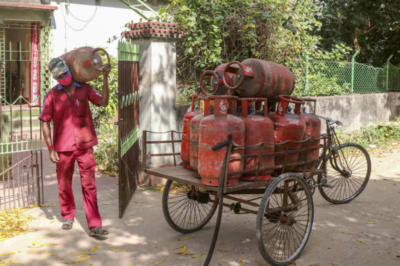
The central government has revised the allocation of natural gas in India, giving the highest priority to sectors linked to household cooking and transportation fuel. Under the new policy, LPG production, compressed natural gas for vehicles and piped natural gas used for cooking in homes will receive preferential access to available gas supplies.
The decision comes at a time when global energy supply chains are facing disruptions. Ongoing tensions in West Asia have affected shipments of liquefied natural gas, a key component of India’s energy imports. With tanker movement and supply routes impacted, the government moved to protect essential domestic consumption.
According to a government notification, domestically produced natural gas will now be directed first to these priority sectors. This ensures that LPG used for cooking, CNG used in transportation and piped gas supplied to households remain available without major disruptions. The change effectively elevates LPG production units to the same priority level that was previously reserved mainly for CNG and piped household gas.
Officials said the move is meant to safeguard essential public services and daily household energy needs. Under the revised allocation structure, these sectors are expected to receive up to 100 percent of their recent average gas consumption levels, depending on operational availability.
Other sectors that rely on natural gas, including fertiliser units, commercial users and certain industries, will continue to receive supply but at lower priority levels. In some cases, supply to these sectors may be reduced so that households and transport services remain unaffected.
India depends significantly on imported natural gas to meet its energy demand, making it vulnerable to global disruptions. With supply pressures increasing due to geopolitical tensions, the latest policy adjustment reflects the government’s effort to maintain energy stability for consumers across the country.
The reshuffle in gas allocation highlights the government’s focus on protecting everyday energy needs such as cooking fuel and public transport while managing the impact of international energy market uncertainties.




































Leave a Reply