
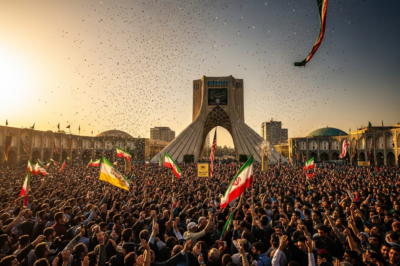
In a monumental shift for Middle Eastern geopolitics, the streets of Tehran have transformed into a scene of jubilation following the announcement of a landmark two-week ceasefire agreement between Iran and the United States. According to reports from Al Jazeera, the deal, brokered through intensive back-channel diplomacy, marks the first significant de-escalation in years, offering a glimmer of hope for a region long marred by tension and economic sanctions.
A Breakthrough in International Diplomacy
The ceasefire, which is set to last for an initial period of fourteen days, involves a mutual commitment to halt all hostile military activities and inflammatory rhetoric. International observers suggest that the agreement was catalyzed by a series of high-level meetings in Muscat, where mediators from Oman and Qatar played pivotal roles in bringing the two nations to the table. While the immediate focus is on humanitarian relief and the stabilization of regional trade routes, the broader implication is the potential for a renewed dialogue regarding nuclear enrichment and regional security protocols.
Public Sentiment and the Path Forward
Across the Iranian capital, citizens have gathered in public squares, waving flags and chanting slogans of peace. For many, this ceasefire represents more than just a pause in military posturing; it symbolizes the possibility of economic relief and a return to global integration. Analysts warn, however, that the two-week window is a fragile one. The success of this period depends heavily on the strict adherence to the terms by both parties and the avoidance of any accidental provocations that could derail the progress made by diplomatic teams.
As the world watches closely, the next fourteen days will serve as a critical litmus test for the future of Iran-US relations. If the ceasefire holds, it could pave the way for a more permanent framework of cooperation, potentially altering the landscape of global security for the foreseeable future.




































Leave a Reply