
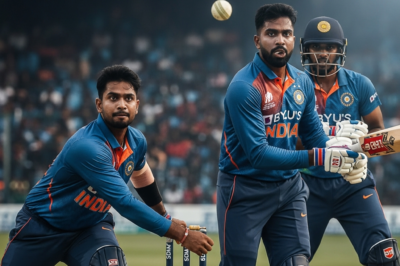
The Grand Stage of 2026: India A vs Sri Lanka A at R. Premadasa
The cricketing world turned its collective eyes to the iconic R. Premadasa Stadium in Colombo as the Tri-Nation Series 2026 reached a fever pitch. In what can only be described as a masterclass of white-ball cricket, India A and Sri Lanka A faced off in a match that had everything: power hitting, strategic bowling, and a final-over tension that left fans on the edge of their seats. As the scoreboard flashed 261/6 for Sri Lanka A in the 47th over, the equation was simple yet daunting: 10 runs required off the final 12 balls. This encounter was not just a game; it was a testament to the depth of talent in both nations as they prepare their next generation of superstars for the global stage. The Tri-Nation Series, which also features a formidable Pakistan A side, has become the premier developmental tournament in Asia, often serving as a direct pipeline to the senior national squads. On this balmy evening in Colombo, under the brilliant floodlights, the atmosphere was electric. Local fans flocked to the stadium, sensing a historic victory against their neighbors. The pitch, which had behaved somewhat erratically during the early afternoon session, seemed to have settled into a true batting surface, though the occasional ball gripped and turned, keeping the bowlers in the contest. For the young Indian side, this was a test of their temperament in hostile away conditions, while for the Sri Lankans, it was an opportunity to assert dominance on home soil. Every run was cheered, every dot ball was met with a collective gasp, and as the match entered its final phase, the intensity reached an almost unbearable level.
The First Innings: India A Sets a Competitive Total
India A, after winning the toss and electing to bat first, navigated a tricky pitch that offered early assistance to the seamers. The opening pair struggled initially against the swing of the Sri Lankan new-ball bowlers, who exploited the early moisture in the surface. However, a resilient middle-order performance ensured that the team reached a total that would test the home side. The standout performer for India was their young captain, a prodigy from the domestic circuit, who anchored the innings with a sublime century. His innings was a blend of traditional strokes and modern innovation, featuring elegant cover drives and audacious ramps over the fine-leg fielder. The partnership in the middle overs proved crucial, as they milked the spinners for singles while punishing anything short or wide. India A crossed the 100-run mark in the 22nd over, signaling a shift in momentum. The Sri Lankan spinners, led by a crafty left-arm orthodox bowler, tried to put the brakes on the scoring, but the Indian batsmen were adept at using their feet. By the time the 50 overs were completed, India A had posted a total that felt slightly above par, given the slowing nature of the surface. The death overs saw a flurry of wickets as the Indian tail attempted to clear the ropes, with the Sri Lankan pacers showing great variety with their slower balls and yorkers. Despite the late wickets, the psychological advantage seemed to be with India A as they headed into the break, knowing they had enough runs to defend if their bowlers executed the plans correctly. The Indian coaching staff was seen having animated discussions with the bowling unit, emphasizing the need for discipline and variations on a pitch that was expected to dry out further.
Sri Lanka A’s Methodical Chase: Precision and Power
Chasing a target in the vicinity of 272, Sri Lanka A began their innings with a clear and aggressive plan. Their openers attacked the powerplay, aware that the new ball would be the best time to score before the Indian spinners came into play. The first six overs were a blur of boundaries, with the Sri Lankan captain leading from the front with a series of lofted shots over the infield. Despite losing an early wicket in the seventh over to a sharp catch at point, the middle order stabilized the ship. The chase was characterized by calculated risks and a high degree of running between the wickets, putting the Indian fielders under constant pressure. As the match progressed into the final ten overs, the pressure shifted back and forth like a pendulum. The Indian spinners, particularly the leg-spinner who has been the talk of the domestic season, tried to stifle the scoring by bowling a flatter trajectory. However, the Sri Lankan batsmen used their depth in the crease exceptionally well. The local crowd, though smaller than a senior international match, created a cauldron of noise that seemed to spur the home side on. By the 40th over, Sri Lanka A was well-placed, but a double-wicket maiden by the Indian spearhead brought the game back into balance. This set the stage for the dramatic conclusion where every delivery felt like a match-deciding event. The Sri Lankan lower-middle order, often criticized for their lack of finishing prowess, showed remarkable composure, finding the gaps and keeping the scoreboard ticking over even when the boundaries dried up.
The Critical Juncture: 10 Runs, 12 Balls, and High Stakes
The 48th over began with the match tilted slightly in Sri Lanka A’s favor. With 10 runs needed off 12 balls and four wickets in hand, the batting side was expected to cruise to the finish. However, in cricket, the final few deliveries are where legends are made and nerves are tested. The Indian captain brought back his premier fast bowler for the penultimate over, a move designed to either win the game or force it into a final-ball thriller. The field was brought in, the tension was palpable, and every run was fought for with desperate intensity. This specific moment in the match highlighted the tactical nuances of limited-overs cricket, where a single dot ball can change the momentum entirely. The batsmen had to decide between going for a boundary to finish it early or rotating the strike to minimize risk. On the other side, the Indian bowler was searching for that elusive yorker that could knock back the stumps and turn the tide once more. The tactical battle extended to the sidelines, with coaches sending in messages and water bottles, ensuring the players were hydrated and aware of the mathematical permutations. For Sri Lanka A, the presence of an experienced all-rounder at the crease provided a sense of calm amidst the storm. For India A, it was about maintaining their composure and not crumbling under the pressure of the vocal Colombo crowd. This period of the game was a masterclass in psychological warfare, with both sides refusing to blink first in a high-stakes game of chicken.
Depth of Talent: The Future Stars of Indo-Lankan Cricket
This Tri-Nation Series serves as a crucial scouting ground for the senior national teams, and this specific match highlighted several individuals who are almost certainly destined for the highest level. From the Indian perspective, the ability of their top-order to absorb pressure and the skill of their young pacers to bowl at 145 clicks in the heat of Colombo was highly impressive. The leg-spinner’s control over his googlies and the captain’s leadership under fire were particular highlights. On the Sri Lankan side, the resurgence of their batting depth is a promising sign for a nation that has been in a transitional phase. The way their middle order handled the Indian spin threat suggests that the technical flaws of previous years are being addressed in the domestic academies. In 2026, with the evolution of the T20 and ODI formats, the transition from ‘A’ level to international level has become more seamless yet more competitive than ever. These players are not just fighting for a win; they are fighting for a career. National selectors from both boards were reportedly in attendance, taking notes on player behavior during the most stressful moments of the game. The data analytics teams in the dugouts were likely working overtime, feeding information about batter tendencies and bowler strengths to the coaching staff. This match provided a glimpse into the next decade of Asian cricket dominance, showing that both India and Sri Lanka have a conveyor belt of talent ready to take the mantle from the aging superstars of today.
Tactical Breakdown: Bowling Changes and Field Placements
One of the most fascinating aspects of the match was the tactical battle between the two captains, which resembled a high-speed game of chess. The Indian captain’s use of his spinners during the middle overs was a lesson in pressure building. By drying up the boundaries and employing a 7-2 leg-side field, he forced the Sri Lankan batsmen into making high-risk errors. Conversely, the Sri Lankan captain’s decision to shuffle his batting order to counter the left-arm spin showed a great deal of tactical flexibility. The field placements during the death overs were equally intriguing, with a mix of aggressive ‘catcher’ positions and defensive ‘boundary-rider’ spots designed to save every possible run. Every tactical move was an attempt to outmaneuver the opposition. The use of the ‘short-ball ploy’ by the Indian pacers against the Sri Lankan tail-enders was particularly effective, forcing the home side to re-evaluate their approach in the final five overs. Meanwhile, the Sri Lankan batsmen’s use of the reverse sweep and the paddle scoop forced the Indian captain to constantly adjust his fine-leg and third-man positions. These ‘cat and mouse’ games are what make limited-overs cricket so engaging to the modern viewer. The analytical depth provided by modern technology has allowed captains to make more informed decisions, but ultimately, it came down to the execution of the players on the field. The match demonstrated that while data is important, the human element—the ability to remain calm and execute a skill under pressure—remains the most decisive factor in professional sports.
The Broader Impact: The 2026 Tri-Nation Series Significance
The 2026 Tri-Nation Series is more than just a bilateral or trilateral tournament; it is a vital part of the ICC’s development pathway and a cornerstone of the Asian cricketing calendar. By providing high-quality competition for secondary teams, the cricketing world ensures that the gap between the top-tier and emerging talent remains narrow. For India, these tours are essential for testing the bench strength, especially with a busy international schedule that includes a World Cup and multiple away series in the SENA countries. For Sri Lanka, hosting such a tournament is a massive boost for local cricket infrastructure and a chance for domestic players to prove their mettle against world-class opposition in familiar conditions. The success of this match, regardless of the final result, underscores the enduring popularity and competitive nature of South Asian cricket rivalries. It also sets the stage for the upcoming major tournaments, where many of these players will likely be the primary protagonists. Furthermore, the commercial success of the series, with high television ratings and digital engagement, proves that there is a significant appetite for ‘A’ team cricket when the quality is this high. This tournament also serves as a trial for new rules and technologies that the ICC may consider implementing at the senior level. As the 2026 season continues, the lessons learned from this thrilling encounter in Colombo will surely influence the strategic planning of both the BCCI and Sri Lanka Cricket for years to come.
Conclusion: A Night to Remember in Colombo
As the final overs of the India A vs Sri Lanka A match unfolded, it became clear that the real winner was the game of cricket itself. The intensity, the skill, and the sheer drama of needing 10 runs from 12 balls encapsulated why this sport remains a religion in the subcontinent. Whether Sri Lanka A managed to knock off the runs or India A pulled off a miraculous defense, the performances witnessed will be analyzed for weeks to come by pundits and fans alike. This encounter has set an incredibly high bar for the remainder of the Tri-Nation Series, promising more high-octane action and late-game heroics. The narrative of the young underdog rising to the occasion against a powerhouse like India A is one that resonates deeply with the sporting public. For the players involved, this match will be a defining moment in their early careers, a story they will tell for years as they progress to the senior ranks. As the lights finally dimmed over the R. Premadasa Stadium, the echoes of the crowd’s cheers remained, a reminder of the passion that fuels this great sport. Fans and pundits will be watching closely as these young athletes continue their journey toward international stardom, carrying the hopes and dreams of millions on their shoulders into a bright and competitive future.




































Leave a Reply