
In Shorts
- Sindhi leader warns Pakistan’s nuclear arsenal poses existential risks due to alleged extremist control.
- He appeals to PM Modi to spotlight the issue internationally and push for global scrutiny.
- The appeal underlines fears for regional stability and calls out state-backed extremism in Islamabad.
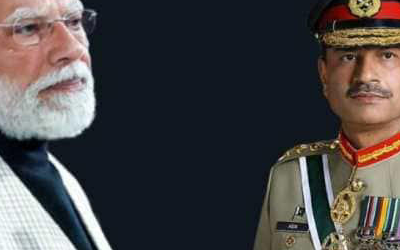
A leading Sindhi voice has thrown down a grave warning about the future of nuclear stability in South Asia. In a formal appeal addressed to India’s Prime Minister, the leader expressed deep concern that Pakistan’s nuclear weapons may be under the grip of extremist elements — endangering not just the region, but global peace.
The appeal paints a grim picture of a state where religious radicalism has been institutionalised, cultivating militant networks and facilitating cross-border terrorism. The leader argues that such a militarised and ideologically driven state framework makes the very arsenal of nuclear weapons dangerously unpredictable. Far from being an isolated political statement, the letter calls the global community to action — demanding that Pakistan’s atomic weapons be placed under strict international oversight.
What distinguishes this appeal is its dual focus: it is both a warning to Islamabad and a plea for external diplomatic pressure. The Sindhi leader urges the Indian government to raise the issue on international platforms, shedding light on what he calls the “toxic presence” of terrorism embedded within Pakistan’s power structure. According to him, until the roots of extremism and state-sponsored militancy are uprooted, no nation — including Pakistan — can claim safety or stability.
The urgency of the message comes against a backdrop of rising tensions across the border, where nuclear threats have increasingly seeped into public discourse. The appeal serves as a stark reminder that weapons without rational, accountable control — especially in volatile regions — are a threat to everyone. As this letter reverberates beyond national boundaries, it places renewed responsibility on global powers and international institutions to address the dangers of unregulated nuclear stockpiles and militant-state collusion.




































Leave a Reply