
In Shorts
- UIDAI is implementing a new rule emphasizing secure QR code verification over physical Aadhaar photocopies to prevent misuse.
- The move aims to phase out the common practice of submitting photocopies, reducing risks of identity theft and fraud.
- Citizens will need to use the masked Aadhaar option or the secure QR code for safer, on-demand identity sharing.
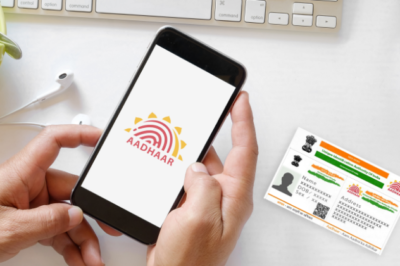
The Unique Identification Authority of India (UIDAI) is rolling out a stringent new directive aimed squarely at enhancing the security of your most critical identity document. In a decisive shift away from decades-old practices, the authority is taking strong steps to discourage, and potentially ban, the casual use of physical photocopies of Aadhaar cards. This move is designed to slam the brakes on rampant identity fraud and data theft stemming from misplaced or misused photocopies.
For years, submitting an Aadhaar photocopy has been a standard requirement for everything from bank account openings to school admissions. However, this very convenience has become a significant vulnerability. Lost or stolen photocopies can be easily tampered with or used for unauthorized purposes, leaving citizens exposed. Recognizing this gap, UIDAI’s new rule champions a more secure, digital-forward alternative: the digitally signed QR code present on all Aadhaar cards and e-Aadhaar documents.
The core of this change lies in verification. Instead of relying on a static photocopy, entities verifying your identity will be encouraged to scan the secure QR code on your physical Aadhaar card or its digital version. This QR code contains encrypted demographic details (like your name, photo, and masked last 4 digits of your Aadhaar number) that can be validated in real-time using UIDAI’s official m-Aadhaar app or other authorized verifiers. This dynamic process ensures the document is authentic and its details have not been altered.
So, what does this mean for the average citizen? It underscores the importance of using UIDAI’s official “Masked Aadhaar” feature when sharing the document digitally. This version hides your Aadhaar number except for the last 4 digits, offering a layer of privacy. For physical verification, carrying the original Aadhaar card and allowing the verifier to scan its QR code will become the gold standard. The era of leaving a flimsy photocopy with multiple agencies may soon be over.
This proactive step by UIDAI aligns with a global push towards digital identity security. While the full implementation guidelines are awaited, the message is clear: the authority is moving to lock down your identity data, making it harder for fraudsters to exploit. Citizens are advised to familiarize themselves with the QR code verification process and the masked Aadhaar option, paving the way for a safer and more secure identity verification ecosystem in India.






































Leave a Reply