

In Shorts
• Viral online posts claim the world will end in 2026, sparking fear and debate.
• Predictions range from wars and disasters to alien encounters, but lack scientific support.
• Experts say social media spreads these theories fast by playing on anxiety and uncertainty.
As the calendar flips toward 2026, a wave of apocalyptic chatter is sweeping across social media and news feeds. Posts, videos, and memes talking about the “end of the world in 2026” are trending, prompting millions of shares and heated debates online. Suddenly, everyone from online prophets to casual users seem to be asking the same question: is humanity really headed for a catastrophe next year?
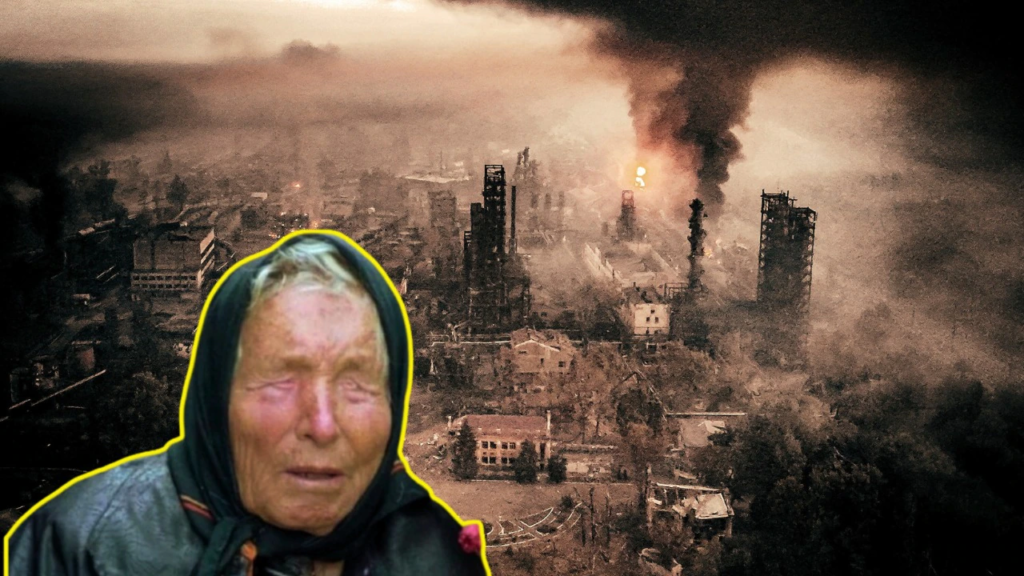
A lot of the buzz comes from social accounts and recycled claims tied to famous mystics and prophecies. One of the most talked-about figures is the Bulgarian seer known for her dramatic predictions. Followers suggest she foresaw everything from a global war involving major world powers to bizarre scenarios involving alien spacecraft entering Earth’s atmosphere. None of these predictions come from verified scientific sources, but the ideas have nevertheless gone viral, amplified by speculation about unexplained aerial phenomena and old internet lore of mystical foresight. Online forums also throw around interpretations of ancient quatrains and mathematical models that once estimated theoretical limits on human population growth. These speculative theories are sometimes repackaged as “proof” that civilization will hit a breaking point in 2026, even though experts in demography and science say such models don’t account for real-world changes in birth rates and technology.
So why is this doomsday narrative spreading so quickly? Analysts point to the emotional power of fear online. Stories about dramatic endings and world-shattering events trigger strong responses from viewers, which drives engagement and pushes these posts to more screens. Algorithms on social platforms are designed to prioritize content that keeps people watching and commenting, meaning sensational posts often outperform more mundane, fact-based ones.
At the same time, real global stresses haven’t helped. Geopolitical tensions in Eastern Europe, the Middle East, and the South China Sea feed underlying anxiety, making it easier for some people to draw connections between current events and sensational end-of-world claims. Rather than deliberate deception, much of what spreads is a mix of half-remembered predictions, recycled rumors, and dramatic storytelling that resonates with people’s fears.
Despite all the noise, there’s no credible scientific evidence that the world is set to end in 2026. History is full of failed apocalypse forecasts, from technological meltdown fears at the turn of the millennium to ancient calendar misinterpretations that sparked widespread panic in 2012. Each time, humanity adjusted and moved forward.
Experts say it’s important to separate entertaining or fear-inducing speculation from facts that can be validated. Instead of preparing for an imminent apocalypse, individuals are encouraged to stay informed through reliable sources and understand the difference between legitimate global challenges and unfounded doomsday narratives that thrive in the digital age.




































Leave a Reply