
In Shorts
- Russia is prepared to divert around 9.5 million barrels of crude oil to India to help cushion supply disruptions caused by tensions around the Strait of Hormuz.
- The strategic waterway, through which roughly 40 percent of India’s imported oil passes, has seen flows plunge amid rising Middle East conflict.
- India remains vulnerable with limited fuel stockpiles and is exploring diverse energy sources to mitigate further shocks.
NEW DELHI India is bracing for energy supply challenges as tensions around the Strait of Hormuz disrupt traditional crude oil flows from the Middle East. In response to the turmoil, Moscow has stated that it is ready to reroute significant volumes of Russian crude to India to help bridge potential gaps in supply.
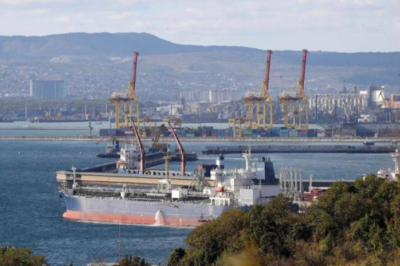
According to industry sources with direct knowledge of the plans, approximately 9.5 million barrels of Russian crude are currently positioned on vessels near Indian waters and could be delivered within weeks to domestic refineries. The exact original destinations of these shipments were not disclosed, but the rapid delivery capability is expected to offer a cushion as India seeks quick relief to maintain fuel availability.
The urgency of the situation stems from escalating hostilities in the Middle East that have made the Strait of Hormuz — a maritime chokepoint for global energy shipments — increasingly risky for tanker traffic. The narrow passage accounts for a substantial share of India’s crude imports, and with shipping flows declining sharply, Indian refiners are re-evaluating their sourcing strategies.
India’s crude oil inventories are relatively low, covering roughly 25 days of national demand, while stocks of refined products such as gasoline, diesel and liquefied petroleum gas are also limited. This vulnerability has prompted New Delhi to investigate alternative supply routes and diversify its import basket beyond its traditional reliance on Middle Eastern sources.
An Indian government official told reporters that authorities are actively scouting for options to ensure energy stability if the Middle East conflict persists beyond the near term. Russia’s offer to supply additional crude — and potentially even liquefied natural gas if needed — is seen as a strategic lifeline that could alleviate immediate pressure on India’s energy market.
The development comes at a complex geopolitical moment. The United States has signaled willingness to safeguard key shipping routes, even as diplomatic pressures and market dynamics continue to shape how major consumers such as India manage their energy portfolios. New Delhi’s approach, industry analysts say, reflects a balancing act between ensuring uninterrupted fuel imports and navigating broader international relationships.
With global oil prices sensitive to ongoing conflict and freight insurance costs rising, the flexibility to pull in supplies from Russia — currently India’s largest crude supplier — represents a critical buffer. Still, long-term supply stability will likely depend on how soon the situation in the Gulf can be eased and how successfully India can diversify its energy sources.







































Leave a Reply