
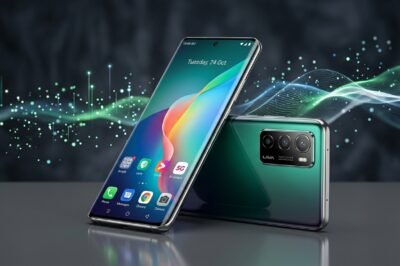
The smartphone landscape has undergone a tectonic shift over the last decade, transitioning from a race for basic connectivity to an era defined by raw power, aesthetic elegance, and unparalleled battery endurance. In the heart of this transformation is Lava, a brand that has meticulously reinvented itself from a budget-centric manufacturer to a formidable contender in the premium-midrange segment. The introduction of the Lava Virat Curve marks a significant milestone in this journey, signaling the brand’s intent to dominate through technical prowess and design innovation. By integrating the MediaTek Dimensity 7100 chipset with a massive 6,000 mAh battery, Lava is not just releasing a phone; it is challenging the status quo of what a mid-range device can achieve. This launch comes at a time when consumers are increasingly demanding pro-sumer features without the flagship price tag. The Virat Curve aims to bridge this gap, offering a seamless blend of high-performance silicon and a design language typically reserved for the elite tier of mobile devices. As we peel back the layers of this release, it becomes evident that Lava is leveraging its understanding of the local market to deliver a product that resonates with power users and style enthusiasts alike, ensuring that the Virat Curve is more than just a spec sheet—it is a statement of intent.
The Evolution of Lava: From Budget Roots to Premium Aspirations
Lava International has long been a household name in the Indian subcontinent, initially known for its reliable and affordable feature phones. However, the last few years have seen the company undergo a radical brand repositioning. The success of the Agni and Blaze series proved that Lava could compete with global giants like Xiaomi and Realme by offering superior build quality and a cleaner software experience. The Virat Curve is the pinnacle of this evolution, representing a shift toward the ‘premium-midrange’ category where aesthetics and performance are given equal weight.
This strategic pivot is crucial because the modern consumer is no longer satisfied with plastic builds and laggy interfaces. By adopting the ‘Curve’ moniker, Lava is tapping into a design trend that was previously exclusive to high-end flagship devices. Curved displays not only offer a more immersive viewing experience but also improve the ergonomics of the device, making a large phone feel significantly more manageable in the palm. This move highlights Lava’s growing confidence in its manufacturing capabilities and its desire to capture a more sophisticated demographic of users who value both form and function.
Unpacking the MediaTek Dimensity 7100: Performance and Efficiency
At the core of the Lava Virat Curve lies the MediaTek Dimensity 7100 SoC, a chipset that strikes an intricate balance between high-speed computing and energy conservation. Built on a sophisticated fabrication process, this processor is designed to handle the rigors of modern multitasking, from high-definition video editing to intensive mobile gaming. The octa-core architecture ensures that the device can dynamically allocate power, using high-performance cores for demanding tasks and high-efficiency cores for background processes, thereby optimizing both speed and battery life.
Furthermore, the Dimensity 7100 brings advanced 5G capabilities to the Virat Curve, ensuring that users are ready for the next generation of mobile connectivity. With support for multiple 5G bands and carrier aggregation, the device promises ultra-low latency and blazing-fast download speeds. This is particularly important for the ‘Virat’ branding, which implies a sense of strength and speed. The integration of a capable GPU also means that gaming enthusiasts can enjoy smooth frame rates in popular titles like BGMI and Call of Duty Mobile, making it a versatile choice for a wide array of users. The synergy between the hardware and Lava’s optimized software layer ensures that the Dimensity 7100 reaches its full potential without the thermal throttling issues often seen in this price bracket.
The Battery Behemoth: Redefining Endurance with 6,000 mAh
Perhaps the most striking feature of the Lava Virat Curve is its massive 6,000 mAh battery. In an industry where 5,000 mAh has become the standard, Lava has gone a step further to address the ‘battery anxiety’ that plagues modern smartphone users. This high-capacity cell is engineered to provide multi-day battery life even under heavy usage. Whether it is streaming content for hours, navigating through GPS during long commutes, or engaging in prolonged gaming sessions, the Virat Curve is designed to stay powered up long after its competitors have reached for the charger.
Fitting a 6,000 mAh battery into a device with a curved screen is no small feat of engineering. Typically, high-capacity batteries result in bulky, heavy handsets that compromise on aesthetics. However, Lava has utilized high-density battery technology to keep the Virat Curve surprisingly slim and balanced. This focus on engineering excellence ensures that the device maintains its premium feel without sacrificing its greatest asset. Coupled with fast-charging technology, the Virat Curve ensures that even when the battery does eventually run low, users can get back to full power in a fraction of the time, making it an ideal companion for the digital nomad and the power user alike.
Design Aesthetics: The ‘Curve’ and Its Ergonomic Impact
The aesthetic appeal of the Lava Virat Curve cannot be overstated. The ‘Curve’ in its name refers to the 3D curved AMOLED display that wraps around the edges of the frame. This design choice serves two purposes: it creates a visual ‘infinity’ effect where the bezels seem to disappear, and it provides a more comfortable grip. The screen itself is expected to support a high refresh rate, likely 120Hz, ensuring that every scroll and animation feels fluid and responsive. The use of premium materials, including glass on the front and potentially a matte or leather-finish back, elevates the device’s tactile experience.
Underneath the stunning display, Lava has likely integrated an in-display fingerprint sensor, further enhancing the modern, sleek look of the phone. The rear camera module is also expected to follow a sophisticated design language, blending seamlessly into the chassis. By focusing on these minute design details, Lava is positioning the Virat Curve as a lifestyle accessory as much as a communication tool. The device is aimed at those who want their smartphone to reflect their personal style, offering a level of polish that is often missing from more utilitarian mid-range offerings.
Competitive Landscape: How the Virat Curve Stacks Up Against Giants
The mid-range smartphone market is arguably the most competitive segment in the industry. Giants like Samsung, Xiaomi, and Vivo have long dominated this space with their Galaxy M, Redmi Note, and V-series respectively. However, the Lava Virat Curve brings a unique value proposition that is hard to ignore. While most competitors offer either a curved display or a massive battery, Lava is one of the few brands to offer both in a single package. This ‘no-compromise’ approach is what sets the Virat Curve apart from its rivals.
Moreover, Lava’s commitment to a bloatware-free software experience is a significant advantage. Many international competitors load their devices with pre-installed apps and intrusive advertisements to subsidize costs. Lava, on the other hand, has leaned into a ‘Clean Android’ philosophy, which not only improves performance but also enhances user privacy and security. For many consumers, the promise of a clean UI and timely security updates is just as important as the hardware specifications. By combining local manufacturing benefits with high-end features, Lava is successfully carving out a niche that focuses on transparency and value, putting pressure on established players to rethink their strategies in the Indian market.
Future Implications: Lava’s Role in the Global Smartphone Ecosystem
The launch of the Lava Virat Curve is not just a win for the brand; it is a significant indicator of the growing maturity of the ‘Make in India’ initiative. As Lava continues to push the boundaries of what is possible within the mid-range segment, it paves the way for other local manufacturers to dream bigger. The success of such devices could lead to increased investment in local R&D, potentially leading to more homegrown innovations in display technology and chipset optimization. The Virat Curve serves as a blueprint for how a local brand can leverage global supply chains and local insights to create a world-class product.
Looking ahead, the Virat Curve sets a high bar for future releases. It challenges the notion that premium features must come with a premium price tag and proves that battery life doesn’t have to be sacrificed for design. As 5G adoption grows and consumer expectations continue to rise, Lava’s focus on the essentials—performance, endurance, and aesthetics—will likely keep them at the forefront of the conversation. The Virat Curve is more than just a new smartphone; it is a harbinger of a new era where domestic brands are no longer followers, but leaders in the global tech landscape, driving innovation and providing consumers with better choices than ever before.




































Leave a Reply