
As the winter chill begins to settle over the National Capital Territory, a familiar yet increasingly potent shadow looms over the residents of Delhi. What was once considered a seasonal nuisance has mutated into a significant epidemiological threat that is currently testing the limits of the city’s health infrastructure. Recent investigative reports from Newslaundry highlight a startling statistic that has sent ripples through the medical community and the general public alike: H1N1 cases in Delhi have surged to nearly eight times the count recorded during the same period in the previous year. This dramatic escalation is not merely a statistical anomaly but a loud alarm bell for a city already grappling with severe air quality issues, a dense population, and the lingering psychological fatigue of previous pandemics. The sound of hacking coughs in public spaces and the sight of crowded outpatient departments in both government and private hospitals have become the new, grim normal for the capital. This surge demands a deep, multi-faceted dive into the underlying causes, ranging from changing weather patterns to viral evolution and a palpable decline in public adherence to preventive measures. The situation is a stark reminder that while global focus may shift, the threat of respiratory viruses remains a constant, evolving challenge that requires continuous vigilance and robust policy intervention. H2: The Statistical Breakdown of the Outbreak. To understand the gravity of the current situation, one must look closely at the data provided by the health departments. Last year, the number of H1N1 cases was relatively manageable, allowing the healthcare system to operate without significant strain. However, this year’s eightfold increase represents thousands of additional patients seeking care simultaneously. This spike is not localized to a single neighborhood but is spread across the National Capital Region, indicating a high level of community transmission. Medical experts point out that the reporting mechanisms have improved, which might account for some of the increase, but the sheer volume of positive PCR tests cannot be ignored. The demographic data suggests that while the elderly and children remain at high risk, there is a significant number of young adults presenting with severe symptoms, a trend that was less pronounced in previous flu cycles. This shift in patient profile suggests that the current strain of the H1N1 virus may be more virulent or that the general population’s immunity has waned significantly since the last major outbreak. H2: Environmental Catalysts: The Intersection of Pollution and Pathogens. One cannot discuss the health of Delhi without addressing its air quality. During the months when H1N1 cases typically peak, the city is also blanketed by thick smog, a toxic mixture of industrial emissions, vehicular exhaust, and crop residue burning from neighboring states. Scientific studies have long suggested a correlation between high particulate matter (PM2.5) levels and increased susceptibility to respiratory infections. The fine particles penetrate deep into the lungs, causing inflammation and weakening the mucosal barriers that serve as the first line of defense against viral invaders. In this compromised state, the respiratory systems of Delhi’s residents become fertile ground for the H1N1 virus. Furthermore, the stagnant, cool air characteristic of Delhi’s winters helps the virus survive longer on surfaces and in aerosolized droplets, facilitating rapid transmission in crowded areas. The synergy between air pollution and viral spread creates a ‘perfect storm’ for public health, making this flu season particularly lethal for those with pre-existing conditions like asthma or chronic obstructive pulmonary disease. H2: Healthcare Infrastructure Resilience and Bottlenecks. The sudden influx of patients has put an unprecedented strain on Delhi’s medical facilities. Public hospitals, which cater to the majority of the city’s population, are seeing wait times for flu consultations triple. Diagnostic labs are working around the clock to process throat and nasal swabs, leading to delays in treatment for some. While the availability of Oseltamivir, the primary antiviral drug used to treat H1N1, remains stable for now, there are concerns about logistical bottlenecks if the case count continues its exponential climb. Doctors are also reporting a shortage of isolation beds, as many patients presenting with severe respiratory distress require specialized care to prevent cross-infection within hospital wards. The crisis highlights a critical gap in the city’s ability to scale up response efforts during seasonal surges. Emergency departments are often the first to feel the pressure, with medical staff reporting exhaustion as they balance routine emergencies with the rising tide of flu cases. H2: Public Perception and the Pandemic Fatigue Effect. A significant factor in the rapid spread of H1N1 this year is the visible decline in public health precautions. Following years of strict COVID-19 protocols, including mandatory masking and social distancing, there is a clear sense of ‘pandemic fatigue’ among the citizenry. People have largely abandoned masks in public transport, marketplaces, and even healthcare settings. This behavioral shift has removed the primary barriers that previously kept H1N1 and other respiratory viruses in check. Furthermore, there is a prevailing misconception that H1N1 is ‘just a common cold,’ leading many symptomatic individuals to continue attending work or social gatherings, thereby becoming super-spreaders. Public health communication has struggled to cut through this complacency, as the urgency felt during the height of the coronavirus pandemic has dissipated, replaced by a desire for a return to pre-pandemic normalcy at any cost. H2: The Importance of Vaccination and Proactive Surveillance. Despite the clear danger posed by the H1N1 virus, vaccination rates in Delhi remain disappointingly low. The quadrivalent influenza vaccine is widely available and updated annually to match circulating strains, yet it is often viewed as an optional luxury rather than a public health necessity. Unlike many Western nations where annual flu shots are a routine part of healthcare, in India, the culture of adult immunization is still in its infancy. Many residents are unaware that the vaccine needs to be taken every year due to the rapid mutation of the virus. To combat the current surge, there is an urgent need for state-led vaccination drives, particularly targeting high-risk groups and frontline workers. Additionally, improving the surveillance network to include genomic sequencing of H1N1 samples could provide vital clues about whether the virus is developing resistance to existing treatments or if new variants are driving the current spike. H2: Socio-Economic Impact and Policy Recommendations. The repercussions of an eightfold increase in flu cases extend far beyond the walls of the clinic. The socio-economic impact is profound, as thousands of workdays are lost and the productivity of the city’s workforce takes a hit. Schools are seeing a dip in attendance, and for many low-income families, the cost of private healthcare and time away from daily-wage labor can lead to significant financial distress. Moving forward, policymakers must integrate air quality management with viral surveillance as part of a holistic urban health strategy. This includes enforcing stricter pollution controls during the onset of the flu season and ensuring that the public health system is equipped with surge capacity for diagnostic testing and antiviral distribution. Conclusion: The future implications of this H1N1 surge are clear: Delhi must move toward a more proactive rather than reactive healthcare model. As climate change and urbanization continue to alter the epidemiological landscape, the city cannot afford to be caught off guard by seasonal outbreaks. The eightfold increase in cases is a stark reminder that the health of the population is intrinsically linked to the health of the environment and the robustness of public health communication. Addressing this crisis requires a concerted effort from the government, the medical community, and the citizens themselves to prioritize preventive measures and build a more resilient capital.
A bigger flu season: In Delhi, H1N1 cases nearly 8 times last year’s count – Newslaundry
Posted by

Stories





-

Hunkkaar Teaser Analysis: Aneet Padda’s Gritty Transformation and the Evolving Landscape of Indian Thrillers
-

Mithila Palkar: The Relatable Queen of Indian Web Series and Her Meteoric Rise
-

Wamiqa Gabbi: The Meteoric Rise of Indian Web Series’ Most Versatile Leading Lady
-

Triptii Dimri Biography: The Evolution of India’s Newest Cinematic Sensation and Web Series Star
-

Wamiqa Gabbi: The Rise of India’s New Digital Icon and the Future of OTT Stardom
-

Mithila Palkar: The Unstoppable Evolution of India’s Digital Darling and Her Journey to the Silver Screen
-

Mithila Palkar: The Comprehensive Journey of India’s Web Series Sensation and Digital Pioneer
-

Mithila Palkar: The Relatable Queen of Indian Web Series and Her Inspiring Journey to Stardom
-

Sobhita Dhulipala Biography: The Meteoric Rise of India’s Most Versatile Web Series Star
-

Mithila Palkar: The Unstoppable Journey of India’s Digital Darling and Web Series Queen
-

Triptii Dimri: The Complete Biography of India’s Newest Cinematic Sensation and Web Series Icon
-

Wamiqa Gabbi: The Ethereal Rise of India’s Most Versatile Web Series Star
-

Sobhita Dhulipala: The Unstoppable Rise of India’s Most Versatile Web Series Icon
-

Wamiqa Gabbi: The Meteoric Rise of the New Queen of Indian Web Series and Her Unstoppable Journey to Stardom
-

Triptii Dimri: The Meteoric Rise of India’s New Cinema Sweetheart and Web Series Icon
-

Wamiqa Gabbi: The Versatile Queen of Indian OTT and Her Phenomenal Rise to Stardom
-

Tripti Dimri Biography: The Rise of India’s New National Crush and Her Journey from Laila Majnu to OTT Stardom
-

Wamiqa Gabbi Biography: The Meteoric Rise of India’s Newest OTT Sensation and Versatile Powerhouse
-

Wamiqa Gabbi Biography: The Meteoric Rise of the Digital Queen of Indian Web Series
-

The Rise of Wamiqa Gabbi: A Deep Dive into the Journey of India’s Most Versatile OTT Sensation
-

The Meteoric Rise of Triptii Dimri: Biography, Acting Prowess, and the Journey of India’s Newest Cinema Sensation

Launching Soon: The Future of News with Our E-Newspaper
In the ever-evolving landscape of media and technology, we are thrilled to announce the upcoming launch of our innovative e-newspaper, set to redefine the way news is consumed in the digital age. Embracing the convenience and accessibility that the digital world offers, our e-newspaper aims to deliver real-time news updates, insightful articles, and interactive features directly to your devices. With a commitment to journalistic integrity and a passion for storytelling, we are dedicated to keeping you informed, engaged, and connected, no matter where you are. Stay tuned for the launch of our e-newspaper, where the future of news awaits at your fingertips.
Recent News
- RBI to transfer record ₹2.11 lakh crore surplus to Indian government for FY24

- UK Prime Minister Rishi Sunak Calls for Surprise General Election on July 4: A Comprehensive Strategic Analysis

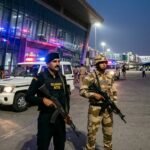
- Four Suspected ISIS Terrorists of Sri Lankan Nationality Arrested at Ahmedabad Airport: A Deep Dive into Regional Security Threats
- Nvidia Shares Skyrocket as Quarterly Revenue Triples Amid Insatiable Global Demand for AI Infrastructure

- Calcutta High Court Strikes Down OBC Status for 77 Communities in West Bengal: A Comprehensive Legal and Political Analysis

- Ireland, Spain and Norway announce formal recognition of Palestinian state

Politics
- UK Prime Minister Rishi Sunak Calls for Surprise General Election on July 4: A Comprehensive Strategic Analysis
- Calcutta High Court Strikes Down OBC Status for 77 Communities in West Bengal: A Comprehensive Legal and Political Analysis
- Ireland, Spain and Norway announce formal recognition of Palestinian state
- Calcutta High Court Strikes Down OBC Status of Several Classes in West Bengal: A Comprehensive Legal and Political Analysis

- Ireland, Norway, and Spain formally announce recognition of Palestinian statehood

- UK Prime Minister Rishi Sunak Calls for Snap General Election on July 4: A Strategic and High-Stakes Political Gamble

Categories
- Art & Culture 106
- Auto 85
- Beauty 15
- Blog 307
- Books 7
- Business 376
- Celebrities 217
- Crime Files 139
- Democracy 308
- Education 84
- Entertainment 154
- Environment 133
- epaper 1
- Fashion 37
- Food 59
- Gadgets 89
- Guide 150
- Handicrafts 14
- Health 281
- Healthy Living 108
- History 5
- incidents 172
- Lifestyle 41
- Music 7
- Photography 15
- Politics 469
- Science & Technology 160
- Sports 283
- Tech 142
- Television 4
- Travel 68
- Travel & Tourism 30
- Trends 57
- Weather 9
- Web Series 97
- Workout 4
- World 665
Leave a Reply