
In Shorts:
- The AAP government declares a “public-fledged public health emergency” due to dangerously high air pollution levels in Delhi.
- Primary schools will remain shut until November 10, and all non-essential construction activities have been halted.
- The government has accused the neighboring states’ stubble burning as a major contributor, while critics point to internal sources.
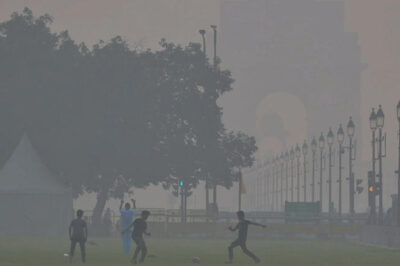
NEW DELHI – The national capital is grappling with a respiratory crisis, as the Aam Aadmi Party (AAP) government officially declared the city’s escalating air pollution a “full-fledged public health emergency” on Saturday. A thick, toxic smog continued to blanket the city for a fourth consecutive day, pushing air quality indices into the ‘severe’ category and raising alarm bells among citizens and officials alike.
In an urgent press briefing, a senior AAP leader minced no words, stating the situation had moved beyond an environmental concern into a direct threat to public health. The announcement comes after Delhi’s Air Quality Index (AQI) registered readings well over 450, a level deemed hazardous for all residents, not just the vulnerable.
Immediate Measures Enacted Amidst Crisis
Responding to the critical situation, the state government has rolled out a series of emergency measures. A significant decision involves the closure of all primary schools until November 10, aiming to protect young children from the harmful effects of the polluted air. Furthermore, all non-essential construction work and demolition activities have been put on hold in an attempt to curb one source of the particulate matter suffocating the city.
The government has also issued a strong advisory, urging residents to limit outdoor activities and work from home wherever feasible. These steps, while critical, are being viewed as firefighting measures against a problem that demands a more permanent, multi-pronged solution.
The Finger-Pointing and The Root Cause Debate
The declaration has been accompanied by a fresh wave of political blame games. The AAP administration has pointed a firm finger at the practice of stubble burning in the surrounding agricultural states of Punjab and Haryana, calling it a primary driver of the current emergency. They have called for greater cooperation and accountability from the central government and neighboring state administrations to address this annual phenomenon.
However, critics and environmental experts argue that while stubble burning contributes significantly during this season, internal factors within Delhi—including vehicular emissions, industrial pollution, and dust from construction sites—are consistent, year-round culprits that cannot be ignored. The Lieutenant Governor’s office has reportedly questioned the timing and focus of the AAP’s accusations, suggesting a need for more robust internal action.
As Delhiites wake up to another day of hazy skies and acrid air, the declaration of a public health emergency underscores the urgent need for a cohesive, non-partisan strategy. With health experts warning of long-term consequences, the city holds its breath, waiting for concrete action to clear the air.



































Leave a Reply