
In Shorts
- Iranian strike damages Kuwaiti oil tanker near Dubai, triggering fire but no casualties
- Global oil supply fears rise as Strait of Hormuz disruptions continue
- US gas prices cross $4 per gallon, highest in years due to ongoing conflict
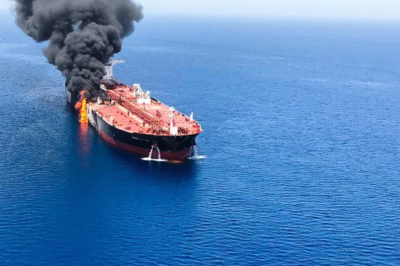
A major escalation in Middle East tensions unfolded after a Kuwaiti oil tanker was struck near Dubai, reportedly by an Iranian drone, setting off alarm bells across global energy markets.
According to multiple reports, the fully loaded tanker caught fire after sustaining damage to its hull while anchored near Dubai’s port area. Emergency crews managed to control the blaze, and all crew members were safely evacuated without injuries. However, concerns remain over potential environmental risks and disruptions to oil transport in the region.
The attack comes amid an already volatile geopolitical situation involving Iran, the United States, and its allies. The conflict has significantly impacted the Strait of Hormuz, a crucial global oil transit route through which nearly a fifth of the world’s oil supply passes. Continued disruptions in this corridor have raised fears of a prolonged energy crisis.
The latest strike has further shaken investor confidence, pushing crude oil prices higher and intensifying supply concerns. Analysts note that such incidents are not isolated, as multiple shipping routes in the Gulf region have faced threats in recent weeks, contributing to heightened uncertainty in global markets.
In the United States, the ripple effects are already visible. Gasoline prices have surged past $4 per gallon for the first time in years, marking a sharp increase since the conflict began earlier this year. The spike is putting pressure on households and raising economic concerns ahead of key political developments.
Experts warn that the situation could worsen if tensions escalate further or if the Strait of Hormuz remains restricted. Even if supply routes reopen, restoring stability in global oil markets may take months, with broader impacts expected on transportation, food prices, and overall inflation.
The incident highlights how geopolitical flashpoints in the Middle East can quickly translate into global economic consequences. With diplomatic efforts ongoing but uncertain, the world now watches closely as the crisis unfolds, aware that the next move could significantly reshape energy markets worldwide.



































Leave a Reply