
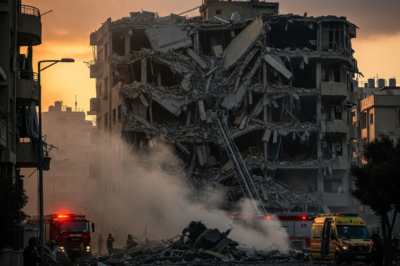
In a dramatic escalation of the ongoing conflict in the Middle East, reports have confirmed that the secretary to Hezbollah’s top leadership was killed during targeted Israeli airstrikes in Beirut. The operation, which took place in the densely populated southern suburbs of the Lebanese capital, represents one of the most significant blows to the organization’s inner circle in recent weeks.
The Strategic Impact of the Beirut Strikes
The Israeli Defense Forces (IDF) have intensified their campaign against Hezbollah’s command-and-control infrastructure. By targeting high-ranking administrative and military figures, the Israeli military aims to disrupt the communication and operational flow of the group. Sources indicate that the strikes were executed with high precision, focusing on safe houses and offices used by the militant group’s leadership. The death of the secretary is seen not just as a personnel loss, but as a symbolic breach of Hezbollah’s security apparatus.
Rising Regional Tensions and Global Concerns
This latest development has sent shockwaves across the region, raising fears of a full-scale ground invasion or a broader multi-front war. Hezbollah has vowed retaliation, while international diplomats continue to urge for a ceasefire to prevent further civilian casualties. The loss of such a senior figure suggests that Israel’s intelligence capabilities within Lebanon are deeply entrenched, allowing them to locate and neutralize key figures even in the heart of Beirut.
As the situation unfolds, the international community remains on high alert. The targeted killing of high-level secretaries and advisors indicates a shift in strategy toward decapitating the group’s administrative leadership, which could lead to an unpredictable response from the region’s power players.



































Leave a Reply