
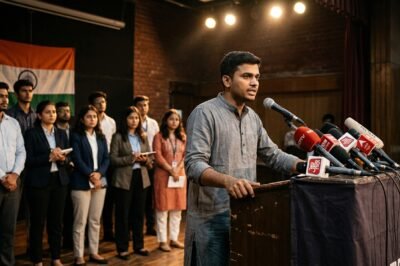
In the volatile landscape of Indian socio-political activism, few voices have resonated with as much raw intensity and polarizing clarity as that of Abhijeet Dipke. The recent development, extensively covered by NDTV, marks a pivotal juncture in what has become a defining movement for the youth and disillusioned masses alike. Dipke’s latest communication, characterized by a sharp and uncompromising address to those he terms “cockroaches,” serves as both a strategic retreat and a clarion call. By announcing a temporary pause in active protests, Dipke is not signaling an end to the struggle, but rather a sophisticated recalibration of tactics. This move has sent shockwaves through political circles, forcing both supporters and detractors to re-evaluate the resilience and organizational depth of modern grassroots mobilizations. The rhetoric of “cockroaches” is not merely a derogatory slur but a calculated linguistic tool designed to isolate individuals perceived as parasitic to the movement—those who thrive in the shadows of discord without contributing to constructive change. As we delve into this analysis, we examine how this reveal of “real leaders” and the subsequent pause in physical demonstrations reflect a maturing of digital-age activism, where the theater of the mind is as crucial as the presence on the streets.
The Rhetoric of Resentment: Deciphering the “Cockroaches” Metaphor
Abhijeet Dipke’s use of the term “cockroaches” has sparked a massive debate across social media and mainstream news platforms. From a linguistic perspective, the choice of such a visceral metaphor serves to dehumanize the opposition, suggesting that those who oppose the movement are not legitimate ideological rivals but rather pests that hinder progress. In the context of Indian politics, where discourse is often heated, Dipke’s language elevates the stakes of the conflict. He suggests that these individuals have been working behind the scenes to sabotage the momentum of the protests, leaking information, and sowing seeds of division within the ranks. By calling them out publicly, he is attempting to sanitize the movement from within, ensuring that only those with “pure” intentions remain.
Furthermore, this specific choice of imagery highlights a deep-seated frustration with the status quo. In many ways, the term reflects the feeling of being trapped in a system that is infested with corruption and inefficiency. By framing the opposition as something to be eradicated or ignored rather than debated, Dipke is appealing to a populist sentiment that craves decisive action over bureaucratic stagnation. This aggressive posturing is a hallmark of the new wave of leaders who find their voice on platforms like X (formerly Twitter) and Instagram, where brevity and impact are valued over nuanced diplomacy. The immediate result has been a surge in engagement, as followers rally around this perceived strength, viewing the “cockroach” label as a badge of defiance against an establishment they no longer trust.
The Strategic Intermission: Why a Pause is Not a Stop
The announcement of a pause in protests often leads to accusations of defeat or loss of momentum, but a closer look at Dipke’s strategy suggests a much more calculated maneuver. History has shown that sustained physical protest is difficult to maintain due to logistics, police pressure, and public fatigue. By calling for a pause, Dipke is effectively managing his resources. This intermission allows the protesters to regroup, replenish their supplies, and, more importantly, refine their messaging for the next phase of the campaign. It is a classic move from the playbook of non-violent resistance, where the absence of conflict can be as loud and demanding as its presence.
Moreover, the pause serves as a psychological tool against the state and the media. When a movement is constantly in the streets, the public can become desensitized to its demands. However, by suddenly withdrawing, the movement creates a vacuum of information and activity that forces the authorities to guess their next move. During this period, the “real leaders” identified by Dipke are expected to work on policy proposals, legal challenges, and international outreach. This transition from the street to the boardroom—or the digital war room—is essential for any movement that seeks long-term institutional change rather than just short-term visibility. The pause is an invitation for the government to come to the table, but it is also a threat that the return to the streets will be even more organized and potent if demands are not met.
Revealing the “Real Leaders”: Shifting from Anonymity to Accountability
Perhaps the most intriguing aspect of the NDTV report is the reveal of the “real leaders” within the movement. For a long time, many grassroots campaigns in India have functioned under a veil of collective leadership or relative anonymity to protect individuals from targeted legal action. Dipke’s decision to step forward and name key figures signifies a shift toward a more formalized structure. This transparency is intended to build trust with the public and demonstrate that the movement is not a chaotic mob but a structured organization with a clear hierarchy and vision. These “real leaders” are often young professionals, lawyers, and tech-savvy activists who bring a level of expertise that goes beyond mere sloganeering.
Identifying these leaders also places a heavy burden of accountability on their shoulders. They are no longer just faces in a crowd; they are now the primary targets for both state scrutiny and public expectation. Dipke’s reveal is a gamble that these individuals have the moral and intellectual fortitude to withstand the coming pressure. By highlighting these figures, he is also countering the narrative that the protests are being fueled by “outside forces” or “anti-national elements.” Instead, he presents a group of articulate, dedicated citizens who are deeply invested in the future of the country. This move humanizes the movement, making it harder for detractors to dismiss the cause as a fringe rebellion.
The Role of Mainstream Media: The NDTV Spotlight
The fact that this story was prominently featured on NDTV speaks volumes about the national importance of Dipke’s message. In an era where news is often fragmented into echo chambers, mainstream media coverage remains the ultimate validator of a story’s relevance. NDTV’s reporting has provided a platform for these views to reach a wider audience, including those who may not be active on social media. This coverage forces the political establishment to respond, as they can no longer ignore the movement as a mere “online trend.” However, this media spotlight is a double-edged sword. It subjects the movement to intense scrutiny and fact-checking, where any inconsistency in Dipke’s claims or the actions of his “real leaders” could be amplified and used to discredit the entire cause.
Additionally, the media narrative often shapes the public’s perception of what is “real” and what is “performance.” In the case of Abhijeet Dipke, the media has framed him as a disruptive yet charismatic figure. This framing attracts a certain demographic of viewers who are hungry for anti-establishment heroes. The synergy between social media influencers and mainstream news outlets creates a feedback loop where viral moments become headline news, which in turn drives more viral engagement. This cycle is essential for modern activism, as it ensures that the movement remains in the public consciousness even during the periods when physical protests are paused. The NDTV report serves as a bridge between the digital activism of the youth and the traditional political discourse of the nation.
Economic and Social Implications of Proactive Activism
The broader implications of such movements often extend into the economic and social fabric of the country. Protests, especially those that involve pauses and strategic maneuvers, can affect market sentiment and investor confidence. When a movement shows signs of high organization and leadership, it signals a potential for significant policy shifts. Investors and business leaders watch these developments closely to gauge the stability of the political environment. If Dipke’s movement successfully pressures the government into making concessions, it could lead to changes in labor laws, environmental regulations, or social welfare policies that have direct economic consequences.
Socially, the movement is redefining the concept of citizenship for a new generation. By engaging in such high-stakes rhetoric and organization, young Indians are moving away from passive voting to active participation in the democratic process. The reveal of “real leaders” inspires others to take up similar roles in their local communities, creating a ripple effect of grassroots leadership. However, the aggressive nature of the “cockroach” messaging also risks deepening the existing polarizations within society. If the discourse becomes too vitriolic, it may alienate moderate supporters who agree with the cause but are uncomfortable with the language. Balancing this intensity with inclusive growth remains the greatest challenge for Dipke and his associates.
Conclusion: The Future of the Movement and Political Evolution
As we look toward the future, the pause in protests initiated by Abhijeet Dipke appears to be the beginning of a new, more sophisticated chapter in Indian activism. The movement has successfully transitioned from a spontaneous outburst of anger to a structured political entity with identified leaders and a clear strategy for dealing with internal and external threats. The “real leaders” reveal is a testament to the movement’s confidence and its willingness to engage with the system on a more formal level. Whether this pause will lead to a successful negotiation with the authorities or a more intense resurgence of street demonstrations remains to be seen, but one thing is certain: the landscape of Indian politics has been permanently altered.
Ultimately, the success of Dipke’s strategy will depend on his ability to maintain unity among his followers and to translate the energy of the protests into tangible policy changes. The use of inflammatory language may serve to mobilize the base in the short term, but long-term success will require a more constructive and inclusive vision for the country. As the movement waits in the wings, the world watches to see if these “real leaders” can navigate the complex waters of Indian democracy and emerge as a true force for change. The pause is not an end, but a deep breath before the next leap into the unknown, and the “cockroaches” have been warned: the movement is watching.


































Leave a Reply