
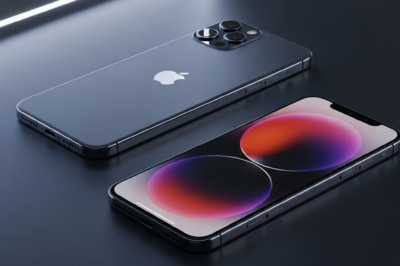
The global smartphone industry is currently abuzz with anticipation as leaks and insider reports regarding Apple’s upcoming flagship series, the iPhone 18 Pro and iPhone 18 Pro Max, begin to surface. While the tech world is still absorbing the innovations of previous models, Apple’s relentless development cycle suggests that the next generation will be a monumental leap forward in mobile computing, photography, and artificial intelligence integration. According to industry insights, including those recently highlighted by The CSR Journal, the iPhone 18 Pro lineup is not merely an incremental update but a complete re-imagining of what a premium smartphone should offer. As consumers increasingly look for devices that serve as high-performance productivity tools and professional-grade creative hubs, Apple appears to be leaning into its custom silicon and proprietary software ecosystem to deliver a user experience that remains unmatched. This upcoming launch is expected to redefine the high-end market, setting new benchmarks for processing power, display technology, and sustainable engineering. In this comprehensive breakdown, we explore the intricate details of the rumored features, the underlying hardware shifts, and the strategic implications of Apple’s next big move.
The Silicon Frontier: Transitioning to the A20 Bionic Chip
At the heart of every iPhone Pro model lies the chipset, and for the iPhone 18 Pro series, Apple is expected to introduce the A20 Bionic. This chip is rumored to be built on TSMC’s cutting-edge 2nm process node, a significant upgrade from the 3nm architecture used in recent years. By shrinking the transistors even further, Apple can pack more power and efficiency into the same footprint. This shift translates to roughly a 15% to 20% increase in performance while reducing power consumption by up to 30%. The A20 Bionic will likely feature a revamped Neural Engine designed specifically to handle the heavy lifting required by modern Generative AI. With more cores dedicated to machine learning, users can expect real-time language translation, advanced on-device photo editing, and more intuitive Siri interactions that don’t rely on cloud processing. Furthermore, the Graphical Processing Unit (GPU) is expected to receive a major overhaul, potentially introducing hardware-accelerated ray tracing improvements that will bridge the gap between mobile gaming and console-quality graphics. For professional users, this means faster video rendering in apps like LumaFusion and more responsive workflows in augmented reality applications.
Variable Aperture: A Revolution in Mobile Photography
One of the most talked-about upgrades for the iPhone 18 Pro and 18 Pro Max is the rumored introduction of a variable aperture system for the main camera. For years, smartphone cameras have been limited by fixed apertures, which force the software to simulate depth of field and exposure adjustments. With a mechanical variable aperture, the iPhone 18 Pro could allow users to physically adjust the lens opening, similar to a traditional DSLR or mirrorless camera. This would allow for superior control over background blur (bokeh) and better performance in challenging lighting conditions. Imagine being able to switch to a wider aperture for stunning low-light portraits and then narrowing it down for sharp, detailed landscape shots with a deep field of focus. In addition to this, the ultra-wide and telephoto lenses are expected to see sensor size increases, with the 18 Pro Max potentially featuring a 48MP periscope telephoto lens capable of 10x optical zoom without losing image quality. This move aims to solidify Apple’s position as the preferred choice for mobile videographers and photographers who require versatility and precision in their pockets.
The Display Evolution: Borderless Immersion and Enhanced ProMotion
Display technology is another area where the iPhone 18 Pro series is set to shine. Apple is reportedly working with suppliers to further reduce the bezel thickness, aiming for a truly “borderless” look that maximizes the screen-to-body ratio. The iPhone 18 Pro and 18 Pro Max will likely utilize Samsung’s latest M14 OLED material sets, which offer higher peak brightness levels—potentially reaching 3000 nits—while maintaining better longevity and resistance to burn-in. The ProMotion technology, which allows for variable refresh rates from 1Hz to 120Hz, is expected to become even more efficient, with faster response times for touch input. There is also speculation regarding a move toward under-display Face ID components. While the Dynamic Island has become a signature design element, the ultimate goal for Apple is to hide the sensors beneath the panel, providing an uninterrupted viewing experience for movies, games, and productivity tasks. This aesthetic refinement combined with the sheer vibrancy of the new OLED panels will likely make the iPhone 18 Pro series the gold standard for mobile media consumption.
Apple Intelligence 2.0: Deep System Integration
The iPhone 18 Pro series will be the definitive vehicle for “Apple Intelligence,” the company’s suite of artificial intelligence features. Unlike general AI tools, Apple’s approach focuses on personal context—understanding your schedule, your relationships, and your habits to provide assistance that is actually useful. In the iPhone 18 Pro, this will manifest as deeper integration within iOS. For instance, the Mail app will not just summarize threads but suggest complex replies based on your past writing style and upcoming calendar events. The Photos app will likely feature “Clean Up” tools that use generative AI to remove unwanted objects with surgical precision, filling in the background seamlessly. More importantly, the iPhone 18 Pro will likely prioritize privacy by processing the vast majority of these AI tasks on-device, ensuring that sensitive user data never leaves the handset. This combination of powerful silicon and sophisticated software will allow the iPhone 18 Pro to act as a proactive digital assistant, anticipating needs rather than just reacting to commands.
Connectivity and the Future of the USB-C Port
Connectivity remains a vital pillar of the Pro experience. The iPhone 18 Pro is expected to support Wi-Fi 7, providing significantly faster data transfer speeds, lower latency, and better reliability in crowded network environments. For professionals who work with large video files, this is a critical upgrade for wireless backups and cloud syncing. Additionally, the USB-C port is rumored to receive a speed boost, potentially supporting Thunderbolt 4 or USB4 standards, allowing for data transfer speeds up to 40Gbps. This would enable the iPhone 18 Pro to be plugged into external monitors, storage drives, and other peripherals with desktop-class performance. There is also ongoing discussion about the “Portless iPhone,” but experts suggest that for the 18 Pro series, the physical port will remain to satisfy the needs of professional creators who require a wired connection for high-bitrate video recording directly to external SSDs. Battery technology is also seeing a shift, with rumors of high-density silicon-carbon batteries that offer more capacity in a thinner frame, ensuring that despite the power-hungry 2nm chip and bright display, the device can easily last over two days on a single charge.
Sustainability, Pricing, and Market Strategy
As part of Apple’s “Apple 2030” goal to be carbon neutral across its entire business, the iPhone 18 Pro series will likely feature even more recycled materials. From 100% recycled cobalt in the battery to recycled gold in the circuit boards, the environmental footprint of these devices is shrinking. The chassis is expected to remain high-grade titanium, but with a new finishing process that makes it more resistant to scratches and fingerprints. In terms of pricing, the inclusion of 2nm chips and advanced camera optics may lead to a slight price hike in certain regions. However, Apple is likely to maintain its strategy of offering aggressive trade-in programs and financing options to ensure the Pro models remain accessible to its core user base. The launch of the iPhone 18 Pro and 18 Pro Max represents Apple’s commitment to staying ahead of the curve in a market that is increasingly crowded with foldable and AI-centric competitors. By focusing on the synergy between hardware and software, Apple aims to ensure that the iPhone remains the most powerful and versatile tool in the consumer electronics landscape.




































Leave a Reply