
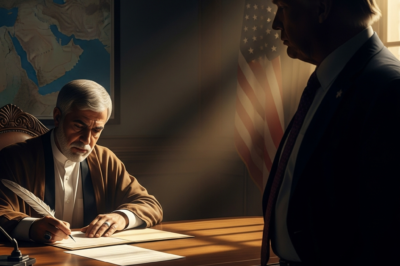
The geopolitical landscape of the Middle East is currently at a pivotal crossroads as Iran begins a meticulous review of a new U.S.-led proposal aimed at de-escalating the ongoing tensions with Israel. According to recent reports, Tehran is intentionally moving at its own pace, signaling a refusal to be rushed by external pressures as the global community awaits a definitive response.
The Strategic Deliberation in Tehran
As the conflict continues to simmer, the Iranian leadership is reportedly scrutinizing every detail of the diplomatic framework presented by Washington. This ‘wait-and-see’ approach is viewed by analysts as a strategic maneuver to gauge the shifting political winds in the United States. By emphasizing that they are reviewing the proposal on their own timeline, Iran is asserting its sovereignty and indicating that any potential agreement must meet its core security and economic interests.
The Impact of the Trump Presidency
The timing of this proposal is particularly significant given the impending return of Donald Trump to the White House. Trump’s previous administration was marked by a ‘maximum pressure’ campaign against Iran, including the withdrawal from the nuclear deal and the imposition of heavy sanctions. The current Iranian administration is likely calculating whether the current U.S. proposal offers a better pathway than the potential unpredictability of the incoming Trump presidency. Reports suggest that the Trump team is closely monitoring these developments, setting the stage for a high-stakes diplomatic showdown in early 2025.
Ultimately, the resolution of this standoff hinges on whether diplomacy can override the cycle of military escalation. As Iran reviews the proposal, the shadow of renewed American pressure and the reality of regional instability remain the primary drivers of this complex geopolitical puzzle.




































Leave a Reply