
In Shorts
- Iran rejects US 15-point peace proposal, calls it unacceptable
- Tehran issues five conditions for ending the war on its own terms
- Diplomatic deadlock raises fears of further escalation
Iran has categorically rejected a 15-point de-escalation proposal put forward by the United States, signaling a major setback in efforts to end the ongoing conflict. Officials in Tehran made it clear that the country will not allow Washington, or former US President Donald Trump, to dictate the terms or timeline of the war’s conclusion.
The proposal, reportedly delivered through intermediaries, aimed to reduce hostilities and open the door for a ceasefire. However, Iranian authorities dismissed the offer as excessive and misaligned with realities on the ground. According to officials, any resolution must align strictly with Iran’s strategic interests and conditions.
In response, Iran has introduced its own framework for ending the conflict, outlining five key demands. While full official details remain limited, reports indicate these include a complete halt to hostilities, guarantees against future aggression, compensation for damages, and broader regional considerations tied to allied groups.
The rejection highlights the deep divide between the two sides. While the US proposal reportedly included measures such as curbing Iran’s nuclear activities and limiting regional influence, Tehran views such terms as one-sided and unacceptable.
Despite public rejection, diplomatic channels may not be entirely closed. Some reports suggest that Iran is still reviewing aspects of the proposal through indirect discussions, with countries like Pakistan and Turkey attempting to mediate.
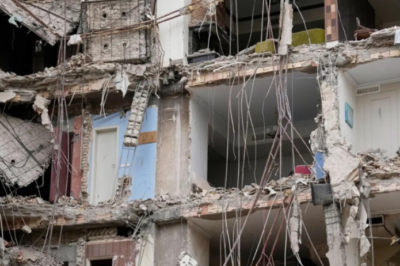
Meanwhile, tensions in the region remain high, with continued military activity and strategic posturing from both sides. The lack of agreement underscores the complexity of the conflict and raises concerns that a prolonged standoff could further destabilize the region.
As both nations hold firm to their positions, the path to peace appears uncertain, with negotiations facing significant hurdles and no immediate breakthrough in sight.



































Leave a Reply