
The Escalating Tensions in the Middle East: A New Flashpoint
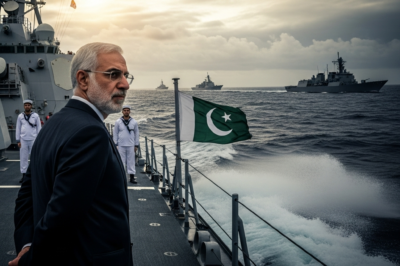
The geopolitical landscape of the Middle East is currently witnessing one of its most volatile periods in recent history. Following reports from major news outlets like The Indian Express, the situation has reached a fever pitch as Iran has officially signaled a halt in diplomatic progress regarding its relations with Pakistan and the broader regional security framework. At the heart of this standoff is a reported naval blockade that Tehran claims is strangulating its maritime sovereignty and economic interests. This development is not merely a bilateral issue between two neighbors but is deeply intertwined with the ongoing friction between the United States and the Islamic Republic of Iran. The international community is watching with bated breath as the rhetoric from Tehran suggests that as long as the naval blockade remains in place, diplomatic delegations—specifically those intended for high-level talks in Pakistan—will remain grounded. This move signals a significant shift in Iranian foreign policy, moving from cautious engagement to a posture of defensive defiance, further complicating the already strained security architecture of the Persian Gulf and the Gulf of Oman.
The Naval Blockade: A Strategic and Economic Stranglehold
The concept of a naval blockade in the modern era is often a precursor to conventional warfare or a tool of extreme economic coercion. For Iran, the presence of foreign naval assets, particularly those of the U.S. Fifth Fleet and allied forces, represents a direct threat to its ‘Blue Economy’ and its ability to export petroleum products. Tehran’s recent declaration that it will not send a delegation to Pakistan until this blockade is lifted highlights the severity with which it views the current maritime restrictions. Analysts suggest that the blockade is not just about physical barriers but includes the monitoring of cargo, the redirection of vessels, and the psychological pressure of carrier strike groups patrolling near the Strait of Hormuz. This narrow waterway, through which a significant portion of the world’s oil passes, remains the ultimate trump card for Iran. However, the counter-pressure from Western powers, designed to limit Iran’s regional influence and its alleged support for proxy groups, has created a stalemate that now threatens to pull South Asian neighbors like Pakistan into the orbit of the conflict. The economic impact on Iran has been profound, with shipping insurance rates skyrocketing and international logistics firms avoiding the region, leading to domestic inflation and resource scarcity within the Islamic Republic.
The Pakistan Factor: Diplomatic Hopes vs. Harsh Realities
Pakistan has long occupied a precarious position between its neighbor, Iran, and its strategic partner, the United States. In the wake of recent cross-border skirmishes and the subsequent efforts to repair ties, the news that Iran is reconsidering its delegation’s visit is a major blow to Islamabad’s mediation efforts. Pakistan’s role was seen as a potential bridge between Tehran and the international community, offering a neutral ground for de-escalation. However, the Iranian leadership has made it clear that diplomacy cannot function under the shadow of military intimidation. By linking the Pakistan delegation to the naval blockade, Iran is forcing Islamabad to take a more vocal stance on regional maritime security—a position that Pakistan, burdened by its own economic challenges and internal security issues, may be reluctant to adopt. The breakdown in this specific diplomatic channel suggests that the influence of regional mediators is waning, leaving the door open for more direct and potentially violent confrontations between the major powers involved. Islamabad’s foreign office now faces the daunting task of convincing Tehran that engagement is the only way out, while simultaneously navigating the demands of a Washington administration that views the blockade as a necessary tool of containment.
Historical Context: Decades of US-Iran Rivalry
To understand the current crisis, one must look back at the decades of animosity that have defined US-Iran relations since the 1979 Islamic Revolution. The transition from a close strategic ally to a ‘pariah state’ in the eyes of Washington has led to a cycle of sanctions, proxy wars, and maritime confrontations. The current naval blockade mentioned by Tehran is seen by many as a continuation of the ‘Maximum Pressure’ campaign initiated during previous US administrations and maintained in various forms by the current leadership. Historically, the ‘Tanker War’ of the 1980s serves as a grim reminder of what happens when maritime trade routes become the primary battleground. During that era, hundreds of commercial vessels were attacked, leading to direct US military intervention. Today’s tensions carry the echoes of that period, but with the added complexity of advanced missile technology, drone swarms, and a more interconnected global supply chain. Iran’s refusal to participate in talks while under blockade is a tactical move rooted in its historical grievance that the West uses diplomacy only as a facade for forced concessions.
Regional Implications: The Threat of All-Out War
The possibility of an all-out war between the US and Iran is a specter that haunts the entire Middle East and South Asia. If the naval blockade continues and Iran feels backed into a corner, the likelihood of an asymmetrical response increases. This could manifest as disruptions in the Strait of Hormuz, attacks on energy infrastructure in neighboring countries, or the activation of various regional proxies. Countries like the UAE, Saudi Arabia, and Qatar are watching the current developments with extreme caution, as any kinetic conflict would immediately impact their sovereign security and oil export capabilities. Furthermore, the inclusion of Pakistan in the diplomatic narrative adds a new layer of complexity. If Pakistan is perceived as being too close to either side, it risks internal instability or external pressure from the opposing camp. The threat of war is not just about missile exchanges; it is about the total collapse of regional trade and the displacement of millions of people, creating a humanitarian crisis that would dwarf current regional challenges.
US Response and the Doctrine of Maritime Security
From the perspective of the United States and its allies, the naval presence in the region is framed as a defense of ‘Freedom of Navigation.’ The US Department of Defense maintains that its actions are necessary to protect commercial shipping from Iranian interference and to ensure that global energy markets remain stable. However, what Washington calls security, Tehran calls a blockade. The US response to Iran’s recent refusal to engage with Pakistan has been one of skepticism, often attributing such statements to Iranian internal politics or a strategy of brinkmanship. The US maritime doctrine in the region involves a high degree of technological surveillance and the deployment of rapid response forces. This technological edge is intended to deter Iran, but as the Indian Express report suggests, it is also serving as a catalyst for Iran to withdraw from the negotiating table. The stalemate is a classic example of a security dilemma: actions taken by one side to increase their security are perceived by the other as a direct threat, leading to a continuous cycle of escalation.
Economic Impact: Global Markets and Oil Volatility
The global economy is highly sensitive to any news regarding a naval blockade or military escalation in the Persian Gulf. As soon as reports surfaced about Iran’s stance on the Pakistan delegation and the blockade, Brent crude prices showed signs of volatility. Investors fear that a prolonged standoff will lead to a ‘risk premium’ being added to every barrel of oil produced in the Middle East. For developing economies, particularly those in South Asia that rely heavily on energy imports, this translates to higher fuel prices, increased transportation costs, and a broader inflationary squeeze. The naval blockade doesn’t just stop Iranian ships; it creates a zone of uncertainty that affects the global shipping industry’s appetite for risk. If insurance companies decide that the region is a ‘war zone,’ the cost of doing business will become prohibitive for many, potentially triggering a global economic slowdown at a time when many nations are still recovering from previous shocks.
Conclusion: The Path to De-escalation or Disaster
The current state of affairs, as reported by live updates on the Iran-US crisis, presents a crossroads for international diplomacy. Iran’s refusal to send a delegation to Pakistan while the naval blockade remains is a clear signal that the window for traditional diplomacy is closing. For a breakthrough to occur, there must be a cooling of maritime tensions and a willingness from both Washington and Tehran to offer credible de-escalatory gestures. Whether it is through back-channel communications or a renewed push by regional players, the need for a non-military solution has never been more urgent. The alternative is a descent into a conflict that no side can truly win, with consequences that would reshape the geopolitical map for generations. The coming days will be critical in determining whether the rhetoric of blockade and defiance will give way to a pragmatic dialogue or if the drums of war will continue to beat louder across the waters of the Gulf.



































Leave a Reply