
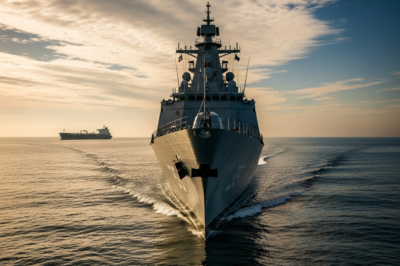
The geopolitical landscape of the Middle East is witnessing a significant shift as tensions between Iran and the United States continue to simmer. In a move that could redefine global maritime trade, an Iranian Member of Parliament has recently proposed the implementation of a new mechanism to manage the Strait of Hormuz. This proposal includes the controversial idea of collecting tolls from international vessels traversing one of the world’s most critical oil chokepoints.
The Strategic Significance of the Strait of Hormuz
Located between the Persian Gulf and the Gulf of Oman, the Strait of Hormuz is the world’s most important oil transit point. Roughly one-fifth of the world’s total oil consumption passes through this narrow waterway daily. The Iranian MP’s suggestion of a ‘new mechanism’ suggests a more assertive stance by Tehran in controlling maritime traffic. By asserting the right to manage and potentially tax passage, Iran is signaling its capability to leverage its geographic position against international pressure, particularly from the United States and its allies.
Global Trade Risks and US-Iran Diplomatic Fallout
The introduction of toll collections would represent a radical departure from the long-standing principles of freedom of navigation in international waters. Experts warn that such a move could lead to a significant increase in global energy prices and trigger a legal battle in international courts. For the United States, which maintains a substantial naval presence in the region to ensure the flow of commerce, this proposal is likely to be viewed as a direct provocation. The move further complicates the already strained diplomatic relations, pushing the region closer to a potential conflict if maritime security is compromised.
As the international community watches closely, the proposal underscores the fragility of global supply chains. Whether this remains a rhetorical threat or transitions into a formal policy, it marks a new chapter in the ongoing power struggle between Iran and Western powers, with the Strait of Hormuz once again at the center of the storm.



































Leave a Reply