
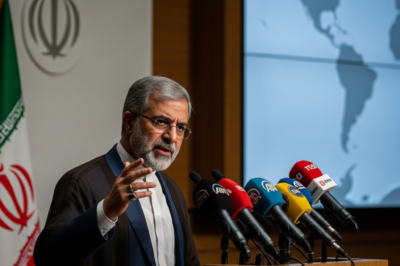
In a significant escalation of diplomatic rhetoric, Iran has officially dismissed criticisms voiced by former U.S. President Donald Trump concerning the latest peace proposal aimed at stabilizing the Middle East. The report, initially highlighted by the Wall Street Journal, underscores the deepening divide between Tehran and the political figures influencing American foreign policy.
The Geopolitical Standoff: Trump vs. Tehran
Former President Donald Trump recently took to social media and public platforms to lambaste a newly surfaced peace framework, labeling it weak and ineffective for regional security. Iranian officials were quick to respond, asserting that the former administration’s ‘maximum pressure’ campaign is what led to the current state of instability. Tehran’s foreign ministry spokesperson emphasized that the peace proposal is a constructive step that does not require validation from figures they hold responsible for historical diplomatic failures.
Regional Implications of the Peace Proposal
The proposal at the heart of this dispute aims to address long-standing grievances and reduce the risk of direct military confrontation. While the specifics remain under wraps, the involvement of global mediators suggests a shift toward a more multilateral approach. However, Trump’s dismissal has fueled domestic debate in the United States, complicating the Biden administration’s efforts to reach a lasting consensus. International observers worry that such public discord could embolden hardliners on both sides, further delaying a peaceful resolution.
As the situation evolves, the dismissal of Trump’s critique serves as a reminder of the delicate nature of Middle Eastern geopolitics. The coming weeks will be crucial in determining whether this proposal can survive the political crossfire and lead to a tangible reduction in hostilities.




































Leave a Reply