
In Shorts
- BCCI reportedly instructed KKR to release Mustafizur Rahman from the IPL 2026 squad due to rising political and diplomatic pressures.
- Bangladesh has responded with actions including banning IPL broadcasts and objecting to playing T20 World Cup matches in India.
- The controversy has sparked criticism from political and cricket figures who argue sport should not be influenced by geopolitics.
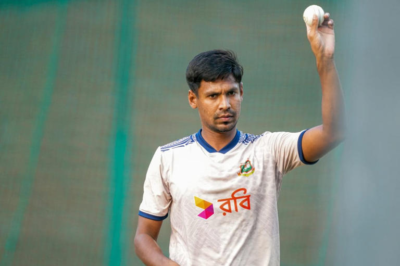
Cricket’s biggest T20 league has been thrust into a political storm after Bangladesh fast bowler Mustafizur Rahman was removed from the Kolkata Knight Riders’ Indian Premier League 2026 roster. According to multiple reports, senior figures within the Board of Control for Cricket in India played a decisive role in the pacer’s exit, a move that has sparked backlash on both sides of the border and beyond.
Rahman had been a high-profile signing for KKR, acquired for a significant sum in the IPL auction, marking him as one of the most expensive Bangladeshi players in league history. The franchise announced that the release followed guidance from the BCCI, which cited “recent developments” as the reason behind its directive. The board also clarified that KKR would be permitted to select a replacement player under standard league regulations.
The decision did not emerge in a vacuum. It comes amidst heightened diplomatic friction between India and Bangladesh, after a spate of incidents that strained bilateral relations. Critics have argued the move was influenced by political and public pressures rather than purely cricketing considerations. Former players and commentators have voiced concern that sporting decisions should remain separate from geopolitical issues, warning that mixing the two undermines the integrity of the sport.
Bangladesh’s response has been forceful. The country’s interim government has banned the broadcast of the IPL within Bangladesh, a rare and strong reaction to a cricketing decision. Officials described Rahman’s removal as “illogical” and deeply upsetting to fans and the broader public. In addition, Bangladesh has signaled reluctance to travel to India for the upcoming Men’s T20 World Cup, formally requesting that its matches be relocated to co-host Sri Lanka due to security and diplomatic concerns.
Rahman himself has made brief public comments since the decision, emphasizing the reality of his situation and focusing on his ongoing cricket commitments outside the IPL. His relatively measured response contrasts with the wider diplomatic and sports-world uproar.
The fallout from this episode underscores how sport, politics, and national sentiment continue to intersect in South Asia. With the IPL season approaching and the T20 World Cup on the horizon, cricket administrators, players, and governments are now navigating a complex landscape where on-field competition and off-field politics are increasingly intertwined.


































Leave a Reply