
In Shorts
- A classified dossier naming 50 Iranian military targets was submitted to the White House.
- The list includes precise coordinates of the IRGC’s Tharallah Headquarters and key sub-commands.
- Delivery of the intelligence comes amid rising U.S. deliberations over how to respond to Iran’s internal crackdown.
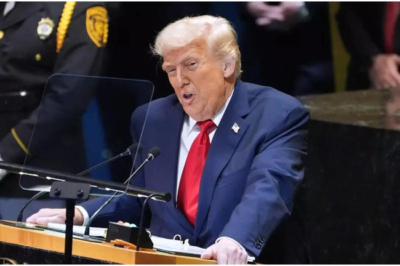
In a major development, U.S. President Donald Trump and his national security team have been provided with a comprehensive intelligence dossier detailing 50 high-priority Iranian military targets. The document, delivered ahead of crucial security deliberations in Washington, names exact locations across Tehran and beyond that are linked to Iran’s military and internal security apparatus.
Among the sites identified is the headquarters of the Islamic Revolutionary Guard Corps’ Tharallah unit. Intelligence sources describe this command centre as a pivotal node in Tehran’s system for suppressing domestic unrest, responsible for coordinating forces involved in controlling protests and directing internal policing operations. The dossier includes exact coordinates for this site as well as other strategic installations.
The list does not stop at the main IRGC command hub. It also highlights four regional sub-headquarters spread across different parts of the Iranian capital, each tasked with overseeing security operations in their assigned sectors. This includes facilities noted for their role in planning and executing measures against protesters.
Beyond these command posts, intelligence analysts point to a network of 23 IRGC-Basij bases marked in the dossier. These bases, each located within one of Tehran’s municipal districts, are tied to the Basij militia, a volunteer force that operates alongside the IRGC in internal security duties. The target list further includes operational units linked to violent suppression efforts inside the city.
The delivery of this detailed map of Iranian strategic sites comes as global focus intensifies on escalating tensions between Tehran and various international actors. The Trump administration has signalled a toughening stance in recent days, cancelling talks with Iranian officials and emphasizing support for demonstrators protesting against the regime’s crackdown.
With uncertainty mounting over how the U.S. might respond, the intelligence provided in the dossier could shape discussions on possible diplomatic or military actions. Officials familiar with the situation say these insights give policymakers a clearer picture of the Iranian military’s structure and its capacity for internal control.
The unfolding situation remains dynamic, with world leaders and analysts watching closely as Washington weighs its next steps against the backdrop of continuing unrest inside Iran and rising geopolitical tensions abroad.



































Leave a Reply