
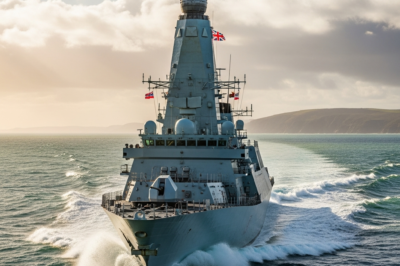
The Royal Navy’s Strategic Move
In a significant escalation of its maritime presence, the United Kingdom has deployed the HMS Duncan, a high-tech Type 45 destroyer, to the Middle East. This strategic move, reported by Reuters, aims to bolster security in one of the world’s most critical shipping lanes: the Strait of Hormuz. With regional tensions simmering, the deployment underscores Britain’s commitment to protecting international trade and ensuring the freedom of navigation for merchant vessels.
Strengthening Maritime Security in the Persian Gulf
The HMS Duncan is one of the most advanced air-defense warships in the world. Its presence in the region is a direct response to the increasing volatility that threatens global energy supplies. The Strait of Hormuz serves as a vital artery for the world’s oil and gas, and any disruption there could have catastrophic effects on global markets. By positioning such a capable vessel, the UK is sending a clear signal of deterrence against potential threats and non-state actors who might attempt to disrupt commercial shipping.
Geopolitical Implications and International Diplomacy
This deployment is not an isolated action but part of a broader international effort to maintain stability in the Middle East. Working alongside global allies and regional partners, the Royal Navy continues its long-standing mission known as Operation Kipion. While the Ministry of Defence maintains that the deployment is a routine rotation to replace previous assets, the timing—amidst heightened geopolitical friction—suggests a heightened state of readiness. The move highlights the UK’s ongoing role as a key player in maritime security and its ability to project power far from its home shores.
As the HMS Duncan takes its station, the international community remains watchful. The successful protection of these shipping lanes is essential for global economic stability, yet the increased military presence also reflects the deepening complexity of Middle Eastern security dynamics. The coming months will be crucial in determining whether this deployment acts as a stabilizing force in an increasingly unpredictable region.



































Leave a Reply