
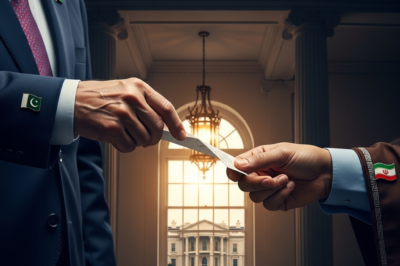
In a striking development that highlights the complexities of modern international relations, the White House has reportedly urged Pakistan to facilitate a temporary ceasefire with Iran. According to a report by the Financial Times, Washington is looking to Islamabad’s unique geopolitical position to serve as a back-channel mediator amid escalating tensions in the Middle East. This move underscores a strategic pivot by the United States to utilize non-traditional allies to de-escalate potential military confrontations.
The Strategic Role of Islamabad in Middle East Peace
Pakistan has long maintained a delicate balancing act in its foreign policy, sharing a border with Iran while maintaining a significant, though often strained, security partnership with the United States. By reaching out to Pakistan, the White House acknowledges Islamabad’s potential influence over Tehran. The objective is to secure a temporary pause in hostilities that could provide the necessary breathing room for more formal diplomatic negotiations to take place. This back-channel diplomacy suggests that traditional Western diplomatic avenues may be reaching their limits in the current regional climate.
Potential Implications for Regional Stability
The success of such a mediation effort could have profound implications for the stability of the entire region. If Pakistan successfully brokers a ceasefire, it would not only elevate its status as a significant regional power but also potentially prevent a broader conflict that could involve global powers. However, the challenges are immense, as any agreement must navigate the complex internal politics of both Tehran and Washington. Analysts suggest that while this move is a gamble, it represents a desperate need for innovative solutions to prevent the current situation from spiraling into a full-scale regional war.
As the international community monitors these developments, the focus remains on whether Pakistan can effectively leverage its relationship with Iran to satisfy the White House’s demands. This diplomatic maneuver highlights the interconnectedness of global security and the evolving roles of South Asian nations in Middle Eastern affairs.




































Leave a Reply