
In Shorts
- US Treasury Secretary Scott Bessent says Iranian tankers are being allowed to pass through the Strait of Hormuz.
- The decision aims to stabilize global oil supply amid the ongoing Iran conflict.
- The strategic waterway handles about 20 percent of global oil shipments.
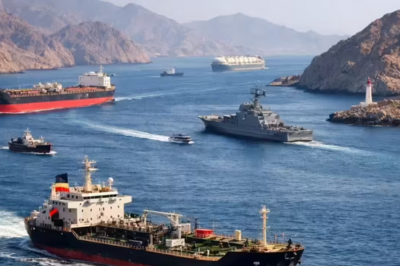
The United States has confirmed that Iranian oil tankers are currently being allowed to move through the strategic Strait of Hormuz in an effort to keep global energy supplies flowing despite ongoing geopolitical tensions.
Speaking in a recent interview, US Treasury Secretary Scott Bessent said Iranian vessels have already been exiting the region and the United States has not interfered with their transit. According to him, the decision is aimed at ensuring the rest of the world continues to receive adequate energy supplies during the crisis.
The Strait of Hormuz is considered one of the most important maritime chokepoints in the world. Roughly one fifth of global oil trade moves through this narrow passage connecting the Persian Gulf with the Gulf of Oman. Any disruption in this route can quickly trigger price spikes and supply shortages in international markets.
The latest developments come amid escalating tensions linked to the ongoing Iran conflict. Shipping traffic in the region has dropped sharply due to security concerns, attacks on vessels, and increased insurance costs for tankers navigating the area. In some cases, ships have avoided the strait entirely because of safety risks.
Despite the risks, some vessels from Iran and other countries have resumed crossing the waterway. Bessent indicated that allowing such movements helps maintain global fuel supplies while broader political and military developments continue to unfold in the region.
Energy markets have already felt the impact of the crisis. Oil prices surged above 100 dollars per barrel earlier as traders feared a prolonged disruption to supply chains across the Middle East. Analysts warn that extended instability in the region could further strain global energy markets and increase inflation worldwide.
The situation remains fluid, with international discussions underway about forming security measures and naval cooperation to ensure safe passage for commercial shipping in the vital waterway. For now, the decision to allow Iranian tankers to pass appears to be part of a broader strategy to avoid a deeper shock to global energy supplies.







































Leave a Reply