
In Shorts
- Trump said Iran’s attacks on Gulf nations were unexpected
- Intelligence reports had already warned of possible retaliation
- Strikes have disrupted oil routes and intensified regional tensions
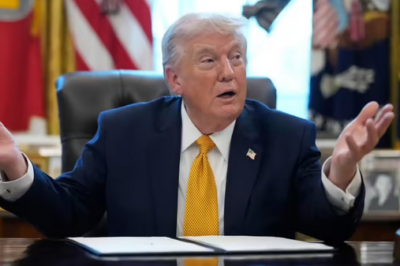
US President Donald Trump has come under scrutiny after claiming that Iran’s retaliatory attacks on Gulf nations caught his administration off guard. However, emerging reports indicate that intelligence agencies had already warned about the possibility of such escalation before the conflict began.
Following joint US and Israeli strikes on Iran in late February 2026, Tehran launched a series of retaliatory attacks targeting countries in the Gulf region. These included strategic locations in nations hosting US military bases, significantly escalating tensions across the Middle East.
Trump publicly stated that the scale and spread of Iran’s response were unexpected, suggesting that no one had predicted Tehran would target multiple countries in the region. Yet, officials familiar with intelligence briefings revealed that such a scenario had been outlined as a potential outcome prior to the strikes.
Reports suggest that intelligence assessments had specifically flagged the risk of Iran launching attacks on countries such as Saudi Arabia, Qatar, the United Arab Emirates, Bahrain and Kuwait. While not considered certain, the possibility of regional escalation was clearly communicated to policymakers.
The fallout has been significant. Iranian strikes have hit military bases and infrastructure across the Gulf, disrupting diplomatic operations and energy facilities. The situation has also affected global oil markets, particularly after Iran moved to interfere with shipping routes in the Strait of Hormuz, a critical corridor for global energy supply.
Criticism has grown both domestically and internationally, with analysts arguing that the administration underestimated Iran’s capacity and willingness to retaliate. Some US lawmakers have also questioned whether the initial military action was justified, especially given the anticipated risks outlined in intelligence briefings.
Meanwhile, the broader conflict continues to intensify, with regional instability increasing and global markets reacting to ongoing disruptions. Experts warn that the consequences of the escalation could have long-term implications for both Middle East security and international energy supply chains.







































Leave a Reply