
The academic community and the Indian diaspora are in a state of profound mourning following the devastating news that an Indian-origin PhD student, who had been reported missing during a hiking expedition in the United States, has been found dead. The incident, which first came to light after the student failed to return from a planned solo trek, sparked a massive multi-agency search operation that lasted several days. This tragedy highlights not only the inherent risks associated with high-altitude outdoor activities but also casts a somber shadow over the safety and well-being of the hundreds of thousands of Indian students currently pursuing higher education in the United States. As the news broke, social media platforms and student forums were flooded with tributes, reflecting the deep impact this loss has had on peers and mentors alike. This detailed report explores the circumstances surrounding the disappearance, the heroic but ultimately tragic search efforts, and the broader implications for international student safety in North America.
The Heartbreaking Discovery in the Wilderness
The search for the missing scholar, whose academic prowess was matched only by a passion for the great outdoors, concluded in the most tragic way possible. According to reports from local law enforcement and the National Park Service, the body was recovered in a remote and rugged section of the hiking trail, an area known for its treacherous terrain and unpredictable weather conditions. While official identification is pending the formal coroner’s report, preliminary findings from the site suggest that the individual succumbed to elements or a fatal fall, though investigations are ongoing to determine the precise cause and time of death. The recovery operation was notably difficult, requiring specialized mountain rescue units and aerial support due to the steep gradients and dense foliage of the search zone. The news has sent shockwaves through the university where the student was enrolled, as well as the local Indian consulate, which had been working closely with authorities to track the student’s last known movements through GPS data and cellular pings.
Timeline of the Disappearance: From Aspiration to Tragedy
To understand the magnitude of this tragedy, one must look at the timeline leading up to the disappearance. The student, described by colleagues as a brilliant researcher and a disciplined hiker, had embarked on what was intended to be a routine weekend trek to clear their mind from the rigors of doctoral research. Family members in India grew concerned when the student stopped responding to messages and failed to check in after the expected return time. By the time the alarm was officially raised, nearly 24 hours had passed since the last confirmed sighting at the trailhead. The subsequent investigation revealed that the student was well-equipped for a standard hike, but may have been caught off guard by a sudden shift in weather or a navigational error on a less-frequented path. The delay between the disappearance and the commencement of the search is often a critical factor in such incidents, and in this case, the vastness of the American wilderness presented an overwhelming challenge for early responders.
The Scale of the Search and Rescue Effort
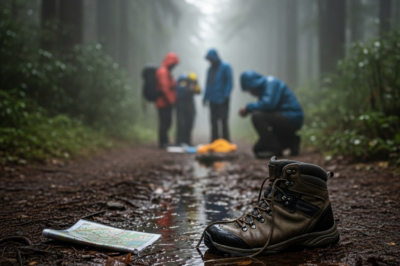
The search and rescue (SAR) operation was nothing short of monumental. Involving thermal imaging drones, K-9 units trained for wilderness tracking, and dozens of volunteers alongside professional rangers, the mission covered several square miles of dense forest and rocky outcroppings. The search was hampered by intermittent fog and plummeting nighttime temperatures, which significantly narrowed the window for a successful rescue. Experts note that in high-altitude hiking, the transition from a manageable situation to a life-threatening one can happen in minutes. The logistical coordination between the university’s security department, local police, and federal park authorities demonstrated a high level of urgency, yet the sheer complexity of the topography meant that many areas could only be reached by foot or by hovering helicopters. The discovery of the student’s backpack and some personal belongings early in the search had provided a glimmer of hope, but as the days progressed without a sighting, the mission transitioned from a rescue to a recovery operation.
Rising Concerns: The Safety of Indian Students Abroad
This incident is not an isolated one but rather part of a concerning trend involving the safety and security of Indian students in the United States. Over the past year, several high-profile cases of missing students, accidental deaths, and even targeted violence have raised questions about the support systems available to the international student community. Indian-origin students form one of the largest demographics of international scholars in the US, often settling in unfamiliar environments where the local geography and climate can be vastly different from what they are used to in India. There is a growing call for universities to provide more comprehensive safety orientations that include not just urban safety, but also specific guidance on navigating the American wilderness for those who choose to explore it. The Ministry of External Affairs in India has been increasingly vocal about ensuring the welfare of its citizens abroad, and this latest tragedy is likely to prompt further dialogue between Indian diplomats and US educational institutions.
Navigating the Perils of the American Outdoors
For many international students, the vast national parks and scenic trails of the US are a major attraction. However, the American outdoors can be unforgiving to those who underestimate its scale. Solo hiking, while a common way to seek solitude and mental clarity during stressful academic periods, carries significant risks. Dehydration, hypothermia, and disorientation are common threats that can affect even experienced hikers. Experts emphasize the importance of the ‘Ten Essentials’ for any hike, including navigation tools, sun protection, insulation, illumination, first-aid supplies, fire starters, repair kits, nutrition, hydration, and emergency shelter. Furthermore, the importance of informing someone of a detailed itinerary and expected return time cannot be overstated. In the case of this PhD student, while they were known to be cautious, the specific circumstances that led to their demise serve as a grim reminder that nature does not discriminate based on experience or intelligence.
Institutional and Community Support Mechanisms
In the wake of this loss, the role of the university and the broader community becomes vital. Support groups have been established to help the student’s family navigate the complex process of repatriating the remains to India, a process often fraught with bureaucratic and financial hurdles. Counseling services at the university have been bolstered to assist classmates and friends who are struggling to process the sudden void left by their peer. Additionally, the Indian student associations across various US campuses are organizing vigils and awareness campaigns to encourage safer recreational practices. There is also a push for ‘buddy systems’ for outdoor activities, ensuring that no student ventures into potentially dangerous environments alone. These community-led initiatives are essential in providing a safety net that institutional policies sometimes fail to cover adequately.
Conclusion: A Loss Felt Across Borders
The passing of a young, promising scholar in such a tragic manner is a loss not just for their family and university, but for the global scientific and academic community. As an Indian-origin student pursuing a PhD, they represented the bridge of talent and ambition that connects two nations. This incident serves as a heartbreaking catalyst for change, highlighting the need for better safety education and stronger support networks for students living far from home. While the mountains and trails of the United States offer beauty and inspiration, they also demand respect and preparedness. As we mourn this loss, the focus must remain on ensuring that no other family has to endure the agony of a search that ends in such sorrow. The legacy of this student will hopefully be one of increased awareness, community solidarity, and a renewed commitment to the safety of all those who pursue their dreams on foreign shores.






































Leave a Reply