
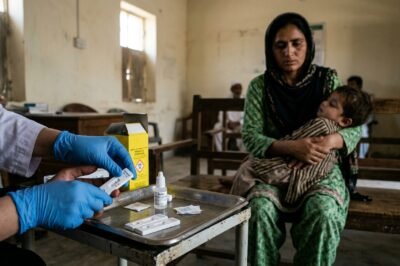
The burgeoning public health crisis in Pakistan has taken a harrowing turn as medical experts and international health organizations raise the alarm over a significant surge in HIV cases among children. For decades, HIV was perceived primarily as a condition affecting marginalized high-risk groups, but the current epidemiological shift reveals a devastating trend where innocent children are becoming the face of the epidemic. This crisis is not merely a medical anomaly but a symptom of deep-seated systemic failures within the nation’s healthcare infrastructure, characterized by unsafe medical practices, widespread quackery, and a lack of public awareness. As the number of pediatric cases climbs, particularly in provinces like Sindh, the urgency for a multi-sectoral response has never been greater. The silence that once surrounded the disease is being broken by the cries of families who find their youngest members grappling with a lifelong condition, often contracted through the very institutions meant to provide healing. This analysis delves into the gravity of the situation, the clinical warning signs every parent must know, and the structural reforms required to prevent a generation from being lost to a preventable and manageable virus.
The Growing Pediatric HIV Epidemic in Pakistan
The scale of the HIV crisis among children in Pakistan is both unprecedented and deeply concerning. Recent reports from health authorities indicate that thousands of children have tested positive for the virus over the last few years, with a particularly dense concentration of cases emerging from rural and semi-urban clusters. Unlike the global trend where mother-to-child transmission is the primary driver of pediatric HIV, the situation in Pakistan is uniquely tied to iatrogenic causes—infections resulting from medical treatment or diagnostic procedures. The 2019 outbreak in Ratodero, a small town in the Sindh province, served as a grim harbinger of this trend when over 900 children were diagnosed within a few months. Since then, the numbers have continued to trickle in, suggesting that the underlying causes of that mass infection event remain largely unaddressed. The statistics are chilling: Pakistan is one of the few countries in the Asia-Pacific region where the rate of new HIV infections is increasing rather than declining, and the shift toward pediatric cases represents a catastrophic failure of infection control protocols.
Experts suggest that the reported figures may only represent the tip of the iceberg. Due to the extreme social stigma associated with HIV/AIDS in Pakistan, many families are reluctant to seek testing, while rural healthcare facilities often lack the diagnostic kits necessary for early detection. The lack of a centralized registry and consistent screening programs means that the true prevalence of the virus among the youth population could be significantly higher than official records suggest. This data gap complicates the efforts of health agencies to allocate resources effectively, leading to a reactive rather than proactive approach to the epidemic. The geographical spread of the virus also indicates that no province is entirely immune, as migrant labor and mobile populations carry the risk factors across borders, necessitating a nationwide emergency strategy.
Root Causes: Quackery and Unsafe Medical Practices
The primary engine driving the pediatric HIV surge in Pakistan is the pervasive use of unsafe medical practices, particularly the reuse of syringes and the lack of proper sterilization. In many parts of the country, especially in underserved areas, the healthcare landscape is dominated by ‘quacks’—unlicensed and untrained medical practitioners who operate without any oversight. These individuals often use the same needle for dozens of patients to cut costs, unwittingly turning a simple injection into a vector for blood-borne pathogens. The cultural preference for injections over oral medication, often fueled by the belief that injections provide faster relief, exacerbates this risk. Parents, unaware of the dangers, often demand injections for their children for minor ailments, unknowingly placing them in the path of infection.
Furthermore, the formal healthcare sector is not entirely blameless. Many licensed clinics and even some public hospitals suffer from a lack of rigorous waste management and infection control training. The shortage of single-use medical supplies often leads to compromises in safety standards. Blood transfusion services also represent a significant risk factor; in many instances, blood is not properly screened for HIV and other infections before being administered to pediatric patients. This systemic negligence creates a lethal environment where children, whose immune systems are already vulnerable, are exposed to the virus during routine care. Addressing these root causes requires more than just medical intervention; it demands a total overhaul of the medical supply chain and the strict enforcement of licensing laws to eliminate the menace of quackery from the healthcare ecosystem.
Clinical Warning Signs: Insights from Pediatric Experts
Early diagnosis is critical for managing HIV in children and ensuring they can lead a relatively normal life through Antiretroviral Therapy (ART). Experts highlight several clinical warning signs that parents and primary caregivers should monitor closely, especially if the child lives in an area with a known outbreak or has a history of multiple injections. One of the most common early indicators is persistent or recurrent fever that does not respond to standard treatments. Children with HIV often suffer from frequent bouts of pneumonia, ear infections, and skin rashes that are unusually severe or slow to heal. Chronic diarrhea lasting more than two weeks and unexplained weight loss, often referred to as ‘failure to thrive,’ are also major red flags that necessitate immediate HIV screening.
Other physical symptoms include swollen lymph nodes in the neck, armpits, or groin, and oral candidiasis—a fungal infection that appears as white patches on the tongue or inside the mouth. Because HIV attacks the immune system, infected children are highly susceptible to opportunistic infections like tuberculosis, which can be fatal if the underlying HIV remains untreated. Experts emphasize that while these symptoms can mimic other common childhood illnesses, their persistence is what distinguishes them. In a high-prevalence environment, any child exhibiting chronic health issues should be tested for HIV as a standard precautionary measure. Awareness of these signs can bridge the gap between infection and life-saving treatment, potentially reducing the high mortality rates currently associated with pediatric HIV in Pakistan.
Socio-Economic Barriers and the Weight of Stigma
The fight against pediatric HIV in Pakistan is not fought solely in hospitals; it is also a battle against social prejudice. In many communities, HIV is wrongly equated with moral failing, leading to the ostracization of infected individuals and their families. When a child is diagnosed, the stigma often extends to the parents, who may be accused of misconduct, regardless of the medical reality of the infection’s source. This fear of social boycott often prevents parents from bringing their children for follow-up care or adhering to the strict medication schedules required for ART. In some cases, children have been denied admission to schools or have been isolated by their peers, leading to severe psychological trauma and a sense of hopelessness.
Economic barriers further complicate the crisis. While the Pakistani government, with the help of international partners like the WHO and UNICEF, provides HIV medication for free, the indirect costs of treatment can be prohibitive. Families often have to travel long distances to specialized centers in major cities, incurring significant transportation and lodging expenses. For a family living below the poverty line, these costs can lead to the discontinuation of treatment, which in turn leads to drug resistance and a worsening of the child’s condition. The lack of a comprehensive social safety net for HIV-affected families means that the burden of the disease often results in a cycle of poverty and declining health that is difficult to break without targeted government support.
The Role of Government Policy and International Support
In response to the escalating crisis, the Government of Pakistan has taken steps to expand the network of HIV treatment centers and improve screening protocols. However, these efforts have often been hampered by political instability, budget constraints, and a lack of coordination between federal and provincial health departments. To effectively combat the surge, there needs to be a shift from localized outbreak management to a national health security framework. This includes the mandatory use of auto-destruct syringes, which cannot be reused, and the implementation of a nationwide digital surveillance system to track new cases and monitor treatment adherence. Strengthening the regulatory oversight of private clinics and pharmacies is also essential to ensure that only licensed professionals are providing medical services.
International organizations have played a pivotal role in providing technical expertise and funding for Pakistan’s HIV program. The Global Fund and various UN agencies have assisted in the procurement of diagnostic kits and the training of healthcare workers in pediatric HIV care. However, experts argue that international aid must be matched by a sustained domestic commitment to healthcare spending. Long-term success depends on integrating HIV services into the primary healthcare system rather than keeping them as isolated vertical programs. By training local lady health workers and community practitioners to identify symptoms and provide counseling, the government can make HIV care more accessible and less stigmatized, ensuring that no child is left behind due to their geographical or social circumstances.
Future Implications and the Need for Systemic Reform
The surge of HIV among children in Pakistan is a clear warning that the country’s public health foundations are in urgent need of repair. If the current trajectory continues, the long-term implications for the nation’s healthcare system and economy could be catastrophic. An entire generation of children living with a chronic, managed condition will require lifelong medical support, placing an immense strain on public resources. Furthermore, the psychological impact on these children as they grow into adulthood—navigating relationships, employment, and social life—cannot be overstated. The crisis serves as a call to action for the medical community to uphold the highest ethical standards and for the government to prioritize the lives of its most vulnerable citizens over political or bureaucratic hurdles.
The path forward lies in a holistic approach that combines aggressive infection control, widespread public education, and robust legal protections for those living with the virus. Public awareness campaigns must focus on de-stigmatizing HIV and educating the populace on how the virus is actually transmitted, debunking myths that lead to discrimination. At the same time, the medical community must undergo a cultural shift towards transparency and accountability. By addressing the root causes of the pediatric HIV surge today, Pakistan can hope to secure a healthier future for its children. The time for reactive measures has passed; the current situation demands a visionary and well-funded strategy that places infection prevention at the heart of the national health agenda, ensuring that healthcare remains a source of life rather than a source of illness.






































Leave a Reply