
In Shorts
- Historic Pact: India signs a deal worth over $1 billion with US-based GE Aerospace for 113 F414 jet engines.
- Indigenous Push: The engines will power the indigenously designed and developed TEJAS MK-1A fighter aircraft.
- Strategic Timeline: Deliveries of the powerful engines are scheduled to begin from 2027, bolstering IAF capabilities.
NEW DELHI – In a strategic move that solidifies deepening defense ties between two democracies and turbocharges domestic military manufacturing, the Government of India has sealed a historic agreement with American firm GE Aerospace. The deal, valued at a staggering $1 billion (approximately ₹8,300 crore), paves the way for the co-production of 113 advanced fighter jet engines right here in India.
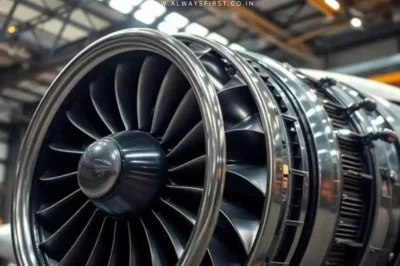
The contract is centered on GE’s F414 engine, a powerful and proven powerplant that will be integrated into the Indian Air Force’s (IAF) future fleet of TEJAS MK-1A fighter jets. This agreement marks a significant milestone, not just as a major procurement, but as a critical transfer of technology that aligns perfectly with India’s ambitious ‘Make in India’ and ‘Atmanirbhar Bharat’ (Self-Reliant India) campaigns.
Official sources confirm that the meticulous negotiations have concluded successfully, with the final hurdle of pricing being cleared. The stage is now set for the engines to be delivered starting in the year 2027, creating a clear and strategic timeline for enhancing the IAF’s operational readiness.
This partnership goes beyond a simple buyer-seller relationship. A substantial portion of the engine manufacturing will be undertaken within India by Hindustan Aeronautics Limited (HAL), the public sector giant tasked with building the TEJAS aircraft. This collaboration is expected to foster a vibrant ecosystem of indigenous defense manufacturing, creating high-skill jobs and absorbing cutting-edge aerospace technology into the Indian industrial base.
The F414 engine is renowned for its reliability and thrust, powering fighter jets like the US Navy’s F/A-18 Super Hornet. Its integration into the TEJAS MK-1A will significantly boost the aircraft’s performance, making it a more formidable force in the region. For India, this deal is a dual victory: it addresses a critical need for modern military hardware while simultaneously building the foundational capability to design and manufacture complex jet engines in the future, reducing decades-long dependency on foreign imports.







































Leave a Reply