
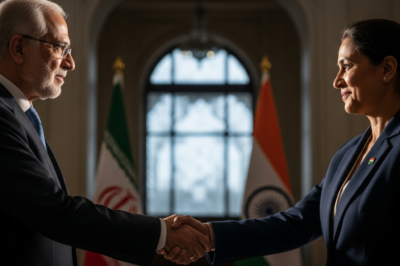
In a significant shift of geopolitical rhetoric, Iran’s Foreign Ministry spokesperson, Esmail Baqaei, has officially declared that Iran has ascended to the status of a global superpower. Speaking during a high-level briefing, Baqaei emphasized that this newfound standing is complemented by a rapidly flourishing relationship with India, marking a pivotal moment for Asian diplomacy. The announcement underscores Iran’s resilience amidst international pressure and its strategic focus on building robust partnerships with emerging world powers.
A Strategic Pivot: Iran’s Rise as a Global Power
Baqaei’s assertion of superpower status reflects a confident new posture in Tehran. The spokesperson highlighted that Iran’s influence now extends well beyond its regional borders, driven by advancements in defense, technology, and strategic depth. By positioning itself as a superpower, Iran is signaling to the global community that it remains a critical player in the multi-polar world order. This declaration is seen as a direct response to years of economic sanctions, demonstrating what the ministry describes as an unbreakable national spirit and self-reliance in the face of external challenges.
Strengthening the India-Iran Corridor
A central pillar of Iran’s current foreign policy is its deepening connection with New Delhi. Baqaei noted that the ties between Iran and India are flourishing across multiple sectors, including trade, energy, and infrastructure development. The Chabahar Port remains a cornerstone of this partnership, serving as a vital link for India to access Central Asian markets while bypassing traditional regional roadblocks. The spokesperson reiterated that the mutual interests of both nations are aligned toward regional stability and economic prosperity, ensuring that the India-Iran axis remains a stable and productive element of the international political landscape.
As Iran asserts its role as a superpower and cements its ties with India, the global community is watching closely. This evolution in partnership could redefine trade routes and security frameworks across Eurasia, offering a new blueprint for south-south cooperation in the 21st century.





































Leave a Reply