
In Shorts
- The Leonid meteor shower is set to peak overnight, offering the best chance to see dozens of meteors per hour.
- For optimal viewing, find a dark location away from city lights and allow your eyes 20-30 minutes to adjust to the darkness.
- The shower appears to radiate from the constellation Leo but can be seen streaking anywhere in the sky.
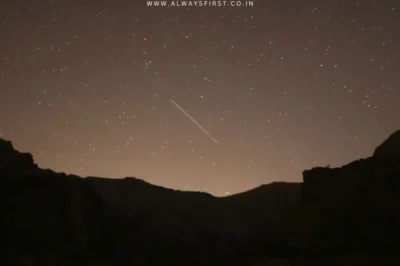
AlwaysFirst News – Stargazers and night-sky enthusiasts, prepare for a celestial treat. The renowned Leonid meteor shower is scheduled to reach its peak intensity tonight, painting the night sky with swift, bright streaks of light.
This annual event, known for producing some of the fastest meteors, offers a prime opportunity to witness nature’s own fireworks display. Unlike many astronomical events that require expensive equipment, enjoying the Leonids is simple, free, and best experienced with the naked eye.
Your Guide to Optimal Viewing
To maximize your chances of catching the shower, timing and location are everything. The best views are expected in the pre-dawn hours, after the moon has set and the sky is at its darkest. This creates a perfect backdrop for even the faintest meteors to become visible.
Experts recommend escaping the light pollution of urban areas. A rural park, a open field, or any location with a wide, unobstructed view of the sky will significantly enhance the spectacle. Once you’ve found your spot, be patient. Allow your eyes at least 20 to 30 minutes to fully adapt to the darkness. Simply lie back, relax, and take in the broadest possible view of the sky; you don’t need to stare directly at the constellation Leo, as the meteors can appear anywhere.
A Shower with a Historic Punch
The Leonids are debris left behind by the comet 55P/Tempel-Tuttle. As our planet orbits the sun, it plows through this trail of cosmic dust and rock, which vaporizes in our atmosphere, creating the vivid streaks we see.
While this year’s show is predicted to be a standard, beautiful display with around 10-15 meteors per hour, the Leonids have a legendary history. They are famous for producing some of the most dramatic meteor storms in history, where rates have skyrocketed to thousands of meteors per hour. Events like these are a powerful reminder of the dynamic and ever-changing nature of our solar system.
So, if you have clear skies tonight, make a plan to look up. It’s a breathtaking reminder of the wonders happening just beyond our atmosphere.






































Leave a Reply