
In Shorts
- European Parliament suspends approval of EU-US trade deal after U.S. threats tied to Greenland.
- Lawmakers cite coercive tariff warnings and sovereignty concerns as reasons to halt the pact.
- The suspension adds strain to already fraught transatlantic relations.
BRUSSELS — The European Parliament has moved to suspend its work on a landmark trade agreement with the United States after a wave of diplomatic friction triggered by U.S. threats over Greenland.
Lawmakers announced that the ratification process for the EU-US trade deal, originally reached last summer, will not proceed as long as the United States maintains pressure linked to Greenland and tariff warnings. The deal, crafted to reduce or eliminate many tariffs between the two largest trading blocs, still required formal approval from the European Parliament to take effect.
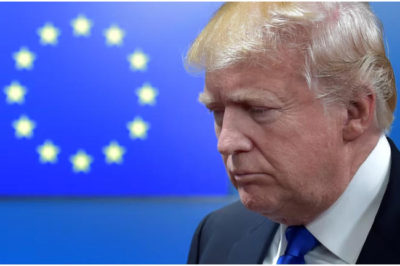
At the heart of the dispute are recent pronouncements by U.S. President Donald Trump. He has floated a bid to take control of Greenland, a semi-autonomous Danish territory, and threatened tariffs against several European allies if they resist or send military personnel to the island. Those threats included possible punitive duties of up to 10 percent on goods from key EU member states, a move that lawmakers said undermines the spirit and stability of the trade pact.
Bernd Lange, chair of the European Parliament’s Committee on International Trade, said it was impossible to continue with “business as usual” in light of what he described as coercive economic tactics. Parliamentarians agreed to halt legislative steps toward finalising the agreement, effectively putting it on indefinite hold until Washington shifts course.
European leaders have voiced strong opposition to the Trump administration’s approach. Officials from several EU capitals argue that using tariffs as leverage in a geopolitical dispute over Greenland’s future crosses a red line and weakens trust between longstanding partners. An emergency summit of EU leaders has been convened to coordinate a response to the escalating situation and discuss possible counter-measures.
The suspension marks a dramatic downturn in transatlantic relations, with implications for trade, diplomacy, and collective security. While both blocs remain economically intertwined—with hundreds of billions of dollars in annual commerce—the political rift has cast doubt on future cooperation.
For now, the trade deal’s fate appears uncertain, hinging on whether U.S. policymakers retract their tariff threats and return to negotiations rooted in mutual respect and shared interests.




































Leave a Reply