
In Shorts:
- The GST Council has approved a recalibration of tax rates on over two dozen goods and services.
- Key essentials like food in restaurants and certain medicines are set to become cheaper.
- The changes are officially scheduled to come into effect on September 22, 2025.
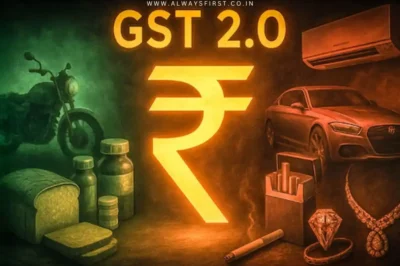
NEW DELHI – In a decision poised to directly affect the finances of millions of Indians, the Goods and Services Tax (GST) Council has ushered in a new wave of revisions, popularly being termed ‘GST 2.0’. The approved changes, targeting a wide array of products from daily groceries to electronic devices, are slated to be implemented starting September 22, 2025.
The council’s latest meeting focused on rationalizing the tax structure, aiming to provide relief on certain essential items while adjusting rates on others to streamline the system. For consumers, this translates to a direct impact on monthly expenditure.
What Gets Cheaper?
A significant focus of the revision has been on reducing the tax burden on several common food items and services. In a move that will bring relief to families, pre-packed and labelled food items like pulses, cereals, and flour—which were previously taxed—have now been exempted from GST. This decision is expected to make basic kitchen staples more affordable.
Furthermore, eating out is set to become lighter on the pocket. The GST rate for restaurant services provided inside clubs and for outdoor catering has been reduced, aligning them with standard rates. Certain life-saving medicines and medical equipment have also seen tax reductions, making healthcare more accessible.
What Gets Costlier?
On the other side of the ledger, the council has moved several products into higher tax brackets. Mobile phones, laptops, and certain electronic components that were previously taxed at a lower rate are now expected to see a price increase. This adjustment aims to correct an inversion where finished goods were taxed lower than their parts.
Additionally, specific services provided by banks and financial institutions are now under a clearer tax ambit, which could lead to minor changes in processing fees or service charges for customers.
The overarching goal of ‘GST 2.0’ appears to be simplification and correction of structural anomalies within the tax framework. While the changes bring welcome relief on essentials, they also signify a tightening of the system for non-essential and manufactured goods. Consumers are advised to be aware of these shifts as they come into effect later this month.
For AlwaysFirst News, this is a developing story. We will continue to bring you detailed analyses and updates on how these changes impact market prices.






































Leave a Reply