
In Shorts
- IMF rejects Pakistan’s appeal to reduce 18% GST on contraceptives including condoms.
- Tax relief proposals can only be discussed in the next federal budget cycle.
- High population growth and fiscal constraints intensify public policy challenges.
Islamabad’s attempt to make contraceptives more affordable has stalled after the International Monetary Fund declined a request from the government to slash the 18 percent General Sales Tax on condoms and similar products. The decision means Pakistanis will continue to pay the existing tax rate for now, despite official efforts to ease the financial burden on households.
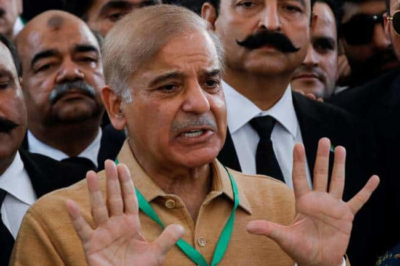
Prime Minister Shehbaz Sharif had instructed the Federal Board of Revenue (FBR) to formally seek IMF approval for the tax cut amid concerns about the country’s rapid population growth and rising costs of living. Officials argued that lowering the GST would help improve access to family planning tools. However, the IMF said it could not approve mid-year tax exemptions under the terms of Pakistan’s ongoing financial programme.
In discussions held virtually between Pakistani authorities and IMF representatives, the lender made clear that any consideration of tax relief must wait until preparations for the 2026-27 federal budget. Removing the GST now would reduce government revenue at a time when Islamabad is already struggling to meet its revised targets for the current fiscal year, the IMF said.
The FBR had estimated that scrapping the GST on condoms and other contraceptives could lower revenue by between PKR 400 million and PKR 600 million. Alongside this request, proposals to cut taxes on sanitary pads and baby diapers were also dismissed by the IMF, which cited broader fiscal challenges as well as concerns about enforcement and smuggling if selective tax breaks were introduced.
Pakistan currently grapples with a population growth rate among the highest globally. Experts say keeping the cost of essential family planning supplies high may hinder public health and education efforts, placing further strain on national resources. Under its bailout agreement with the IMF, Islamabad must adhere to strict conditions on taxation, spending, and revenue generation, limiting its ability to implement immediate tax changes.
The IMF’s stance underscores the tightrope the Pakistani government must walk between social policy goals and economic realities, as fiscal discipline remains central to securing continued international financial support.





































Leave a Reply