
Key Highlights:
- India Post has temporarily suspended all international mail services destined for the United States, effective immediately.
- The halt is a direct response to new tariffs and conditions imposed by the US on foreign postal services.
- The suspension will remain in effect until a new, agreed-upon system for processing and reimbursing these parcels is established.
NEW DELHI – In a significant development that underscores the intricate link between energy policy and global logistics, India has temporarily suspended all international mail services to the United States. The decision, confirmed by the country’s postal service, India Post, is a direct consequence of recent trade measures announced by former President Donald Trump.
The suspension, which covers letters, parcels, and EMS speed post, is effective immediately and will remain until further notice. The move is not being framed as a retaliatory measure but rather as a necessary operational pause. According to official communications, the current framework for processing and reimbursing international mail has been disrupted by new US policies.
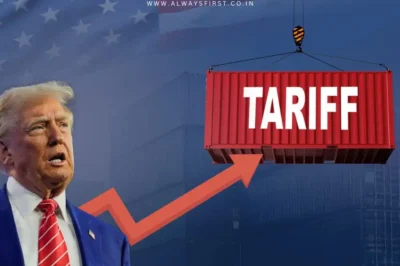
The core of the issue stems from tariffs linked to global oil purchases. Earlier this year, the Trump administration levied significant tariffs on countries utilizing Russian oil, a move that impacted several nations, including India. These broader trade conditions have now trickled down to affect postal agreements, specifically the terminal dues system that governs how countries pay each other for handling international mail.
“With the US withdrawal from the Universal Postal Union (UPU) and the implementation of new terminal dues rates, the existing bilateral agreement with the United States is no longer feasible under the current circumstances,” an India Post official stated on condition of anonymity. “We are pausing services to ensure we can comply with the new US requirements without incurring unsustainable losses.”
The suspension means individuals and businesses relying on postal services for shipping between the two nations will face immediate delays. Industry experts suggest that private courier services like DHL, FedEx, and UPS, which operate under different agreements, will likely see a surge in demand as a result of this governmental postal freeze.
Officials from both sides are expected to engage in urgent talks to negotiate a new bilateral agreement that aligns with the updated US terminal dues structure. For now, however, the flow of traditional mail between the world’s two largest democracies has been unexpectedly, and temporarily, severed.




































Leave a Reply