
In Shorts
- US lawmakers are considering a bill that could impose up to a 500% tariff on nations importing Russian oil.
- India, one of Russia’s largest oil buyers, could face heavy penalties affecting its export relationship with the United States.
- The tariff threat comes amid broader tensions over energy security and global trade.
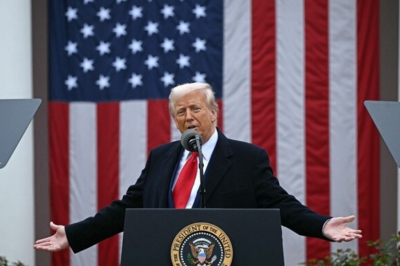
A proposed measure in the United States Congress is raising alarms in New Delhi and international markets by threatening a stunning 500% tariff on countries that continue to import Russian oil. The legislation, backed by influential US lawmakers and reportedly approved for advancement by President Donald Trump, would expand punitive trade tools used against Moscow to include secondary sanctions on nations tied to Russian energy purchases.
The core of the plan centers on the “Sanctioning Russia Act of 2025,” a bipartisan bill that would empower the United States to levy heavy duties not only on Russian energy shipments but also on the broader exports of any country buying these commodities. India — which dramatically ramped up purchases of discounted Russian crude after the Ukraine conflict began in 2022 — finds itself in the crosshairs because of its significant oil import volumes.
Under current trade flows, goods and services from India to the US are valued at roughly $120 billion annually, spanning sectors from textiles to technology. Trade analysts warn that a 500% tariff would make Indian exports prohibitively expensive in the American market, potentially crippling key industries and forcing exporters to seek alternate markets.
The heightened tariff threat follows a series of escalating trade measures. Last year, the US first imposed a 25% “penalty tariff” tied to India’s Russian oil purchases, doubling that rate to 50% for many Indian products. Those duties have already strained ties and driven New Delhi to register its objections in diplomatic channels.
Supporters of the new bill argue that cutting off revenue streams from major buyers of Russian crude would intensify economic pressure on Moscow and contribute to efforts to end the Ukraine war. Critics counter that singling out India — while other countries continue Russian energy trade — could fracture strategic partnerships and spark retaliation in global markets.
At this stage, the 500% tariff remains a proposal. It must still pass through legislative votes in both chambers of the US Congress before becoming enforceable law. But its very consideration underscores growing tension between geopolitical aims and global trade stability, especially for nations balancing energy security with international alliances.





































Leave a Reply