
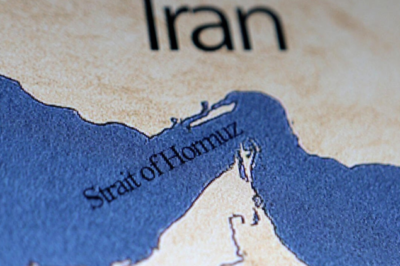
- Iran is reportedly demanding up to $2 million from ships for safe passage through the Strait of Hormuz.
- The United States has issued strong warnings, including possible military strikes, if the waterway is blocked.
- Global oil supply and shipping routes face severe disruption, raising fears of an energy crisis.
Strait of Hormuz Crisis Deepens as Iran Imposes Heavy Transit Charges
Tensions in the Middle East have escalated sharply after Iran reportedly began demanding as much as $2 million from vessels seeking safe passage through the strategically critical Strait of Hormuz. The move comes amid an ongoing conflict involving the United States and its allies, further destabilizing one of the world’s most vital energy corridors.
The Strait of Hormuz, a narrow maritime route connecting the Persian Gulf to global waters, carries nearly one-fifth of the world’s oil supply. Any disruption in this region has immediate consequences for global energy markets, shipping logistics, and economic stability.
US Issues Stark Warning Amid Rising Military Tensions
The United States has responded strongly to Iran’s actions, warning of potential military strikes if the waterway is not kept open. Reports indicate that Washington has issued ultimatums and is considering targeting Iranian infrastructure to ensure uninterrupted maritime movement.
The situation has raised fears of a broader military confrontation, as both sides continue to exchange threats. Iran has signaled that it may retaliate against US and allied interests in the region if attacked, further increasing the risk of escalation.
Shipping Disruptions and Economic Impact Intensify
Maritime traffic through the Strait has already been severely affected. Reports suggest a dramatic decline in shipping activity, with thousands of seafarers stranded and hundreds of vessels unable to pass through the corridor.
The uncertainty has also driven up shipping costs, insurance premiums, and oil prices, sparking concerns of a global energy shock. Analysts warn that prolonged disruption could rival past oil crises in its economic impact.
Uncertainty Around Iran’s Toll Policy
While Iranian officials have indicated that such transit charges may be part of a broader wartime strategy, there is no clear confirmation of a formal, universally enforced policy. Some reports suggest that the demand is being applied selectively to certain vessels as part of heightened control over the strait.
Tehran has maintained that the waterway remains open to ships not linked to its adversaries, though it insists on coordination for safe passage.
Global Concerns Mount Over Energy Security
The escalating crisis has drawn international concern, with major economies closely monitoring developments. Any prolonged blockade or conflict in the Strait of Hormuz could disrupt global oil flows, trigger price spikes, and destabilize financial markets worldwide.
As diplomatic efforts struggle to gain traction, the situation remains volatile, with the potential to reshape global energy dynamics and geopolitical alliances in the coming weeks.




































Leave a Reply