
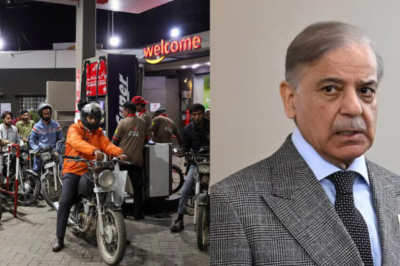
- Pakistan has increased the levy on high-octane fuel by PKR 200 per litre, primarily affecting luxury vehicle users.
- The move is expected to save the government around Rs 9 billion every month.
- Authorities say the decision shields lower- and middle-income groups from additional fuel cost burdens.
Pakistan has announced a significant increase in the price of high-octane fuel, intensifying its ongoing struggle with rising energy costs and economic challenges. The decision, approved by Prime Minister Shehbaz Sharif, raises the levy on premium fuel by PKR 200 per litre, pushing the total levy to over PKR 300 per litre.
The revised pricing structure specifically targets high-octane blending component (HOBC) fuel, which is typically used in luxury vehicles. Following the hike, the price of this premium fuel has surged to around PKR 535 per litre, marking one of the sharpest increases in recent times.
Government officials stated that the move is part of a broader fiscal strategy aimed at reducing economic pressure. According to estimates, the increase will help the country save nearly Rs 9 billion per month. Authorities have indicated that these savings will be redirected toward public welfare measures.
Importantly, the government has clarified that the hike will not impact petrol or diesel prices used by the general public. By limiting the increase to fuel consumed by high-end vehicles, policymakers aim to place the financial burden on wealthier segments of society while protecting middle- and lower-income households.
The development comes against the backdrop of rising global oil prices and geopolitical tensions affecting energy supply chains. Pakistan, which relies heavily on imported fuel, has been grappling with inflationary pressures and recurring energy challenges in recent years.
Earlier this month, the country had already witnessed a notable increase in petrol and diesel prices due to global market volatility. The latest move signals the government’s attempt to balance economic stability with social protection, even as the broader energy crisis continues to unfold.
Analysts suggest that while the targeted approach may provide short-term fiscal relief, sustained global price pressures could force further adjustments in the near future.




































Leave a Reply