
In Shorts
- Supreme Court objects to Class 8 NCERT chapter discussing corruption in judiciary
- NCERT holds internal review meeting after institutional backlash
- Government sources indicate the section may soon be removed from textbooks
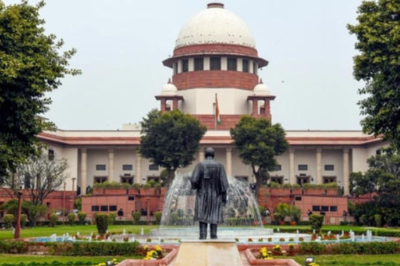
A fresh controversy has erupted in the education sector after the Supreme Court of India expressed strong reservations about content in a newly released Class 8 Social Science textbook prepared by NCERT. The section in question deals with challenges within the judicial system, including references to corruption at various levels.
The chapter titled “The Role of the Judiciary in Our Society” marked a notable departure from earlier editions that traditionally focused on explaining the structure and functioning of courts. The updated version went further by highlighting systemic concerns such as case backlogs, shortage of judges, and alleged corruption as key issues affecting access to justice.
During a recent hearing, Chief Justice of India Surya Kant reportedly took serious objection to the inclusion of such material in a school textbook, stating that the judiciary’s integrity must not be undermined. The court has taken cognisance of the matter and indicated that appropriate action could follow, with concerns also raised by members of the legal fraternity.
Senior advocate Kapil Sibal brought the issue to the court’s attention, calling the content deeply concerning. Legal experts argued that presenting such topics to young students could have implications for public perception of constitutional institutions.
In response to the backlash, NCERT has initiated an internal review of the chapter in consultation with subject experts involved in drafting and approving the material. Government sources have indicated that references to corruption within the judiciary may soon be removed from the textbook, with some officials stating that the content was not appropriate for the intended academic level.
The controversy has reignited a broader debate on how educational material should address institutional challenges while maintaining public trust in democratic frameworks. While NCERT maintains its autonomous status in curriculum design, the latest development highlights the delicate balance between academic freedom and safeguarding the dignity of constitutional bodies.






































Leave a Reply