
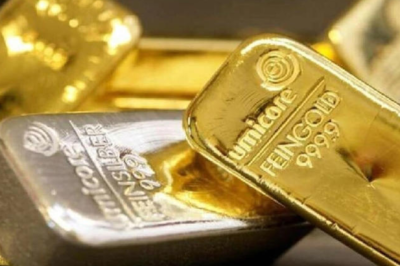
- Gold prices have recorded a sharp decline, hitting multi-month lows amid global economic shifts.
- Rising interest rate expectations and a stronger US dollar are reducing gold’s appeal.
- Investors are moving away from safe-haven assets despite ongoing geopolitical tensions.
Gold Prices See Sharp Decline Across Global Markets
Gold prices have dropped significantly in recent sessions, marking one of the steepest declines in recent months. The yellow metal, traditionally considered a safe-haven investment, has been under sustained pressure, with prices slipping to levels not seen in nearly four months.
The downturn is not limited to gold alone. Other precious metals such as silver and platinum have also recorded notable losses, reflecting broader weakness across the commodities market.
Why Are Gold Prices Falling? Key Factors Explained
1. Rising Interest Rate Expectations
One of the primary reasons behind the fall in gold prices is the shift in expectations around interest rates. Central banks, particularly the US Federal Reserve, are now expected to maintain higher interest rates for longer to combat inflation.
Since gold does not offer interest or yield, higher rates make other financial instruments like bonds more attractive, reducing demand for the metal.
2. Strengthening US Dollar
A stronger US dollar has further added pressure on gold prices. As gold is priced in dollars globally, a stronger currency makes it more expensive for international buyers, thereby dampening demand.
3. Changing Investor Sentiment
Despite ongoing geopolitical tensions, including conflicts in the Middle East, investors are shifting away from gold. In some cases, market participants are selling gold holdings to cover losses in other asset classes or to take profits after previous rallies.
Impact of Global Events on Precious Metals
Interestingly, gold’s recent decline comes at a time of heightened geopolitical uncertainty. Traditionally, such conditions boost gold demand. However, rising oil prices and inflation fears are pushing central banks toward tighter monetary policies, which is negatively impacting gold.
Additionally, easing fears around certain geopolitical conflicts have also reduced the immediate demand for safe-haven assets, contributing to the downward trend.
What This Means for Investors
The sharp fall in gold prices signals a shift in market dynamics. While the metal remains a long-term hedge against inflation and uncertainty, short-term volatility is likely to persist. Analysts suggest that investors should closely monitor global economic cues, including central bank policies, currency movements, and geopolitical developments.




































Leave a Reply