
In Shorts
- Around 20 percent of global oil and gas supplies pass through the Strait of Hormuz
- Ongoing conflict has disrupted shipping and pushed oil prices above $100 per barrel
- The route is critical for Asian economies including India, China, and Japan
The Strait of Hormuz, a narrow stretch of water between Iran and Oman, has once again become the center of global attention as escalating conflict in the Middle East threatens energy supplies and international trade.
This vital maritime corridor connects the Persian Gulf to the Arabian Sea and serves as the primary route for oil exports from major producers such as Saudi Arabia, Iran, Iraq, Kuwait, and the United Arab Emirates. Experts estimate that more than one fifth of the world’s oil and a significant share of liquefied natural gas pass through this route daily, making it one of the most important energy chokepoints on the planet.
Why the Strait Is So Important
The global economy heavily depends on uninterrupted energy supplies, and the Strait of Hormuz plays a central role in ensuring that flow. Any disruption here has immediate consequences for fuel prices, inflation, and supply chains worldwide.
The importance is even greater for Asian economies. Countries like India, China, Japan, and South Korea rely heavily on oil shipments passing through this route, making them particularly vulnerable to disruptions.
Impact of the Ongoing Conflict
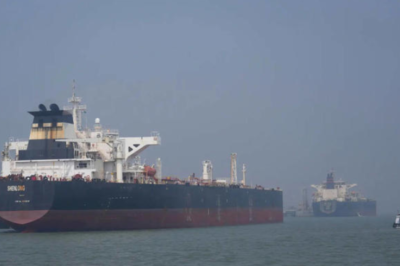
The current crisis has severely affected shipping activity in the region. Reports indicate that tanker traffic has dropped sharply due to security threats, with several vessels damaged and many others forced to reroute or halt operations.
Recent developments show how fragile the situation has become. Iran has effectively restricted maritime movement through the strait, disrupting nearly a fifth of global energy trade and forcing countries to explore alternative routes.
Despite the restrictions, some ships continue to pass under special arrangements, highlighting the strategic leverage Iran holds over this key waterway.
The disruption has already affected India directly, with several LPG shipments stranded in the region, underlining the vulnerability of supply chains linked to the strait.
Rising Global Concerns
The closure or restriction of the Strait of Hormuz is not just a regional issue. It has triggered a surge in oil prices, with global benchmarks crossing $100 per barrel amid fears of prolonged disruption.
International organizations have also warned that even military escorts may not guarantee safe passage, raising concerns about long term stability and the safety of shipping crews.
A Strategic Chokepoint With Global Impact
Historically, the Strait of Hormuz has been a flashpoint during geopolitical tensions. Its narrow geography and high traffic volume make it both difficult to fully secure and highly susceptible to disruption.
Today, the ongoing crisis has once again highlighted how a single maritime route can influence global markets, energy security, and geopolitical stability.
As tensions continue, the future of the Strait of Hormuz remains uncertain, but its importance to the global economy is clearer than ever.




































Leave a Reply