
Key Points:
Pregnant women should avoid papaya due to latex content triggering contractions.
People with latex allergies may experience severe reactions from papain enzymes.
Those on blood-thinning medications must skip papaya to prevent excessive bleeding risks.
Who Should Avoid Papaya? Doctors Warn These 5 Groups to Stay Away
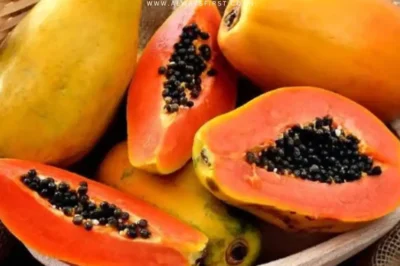
Papaya is often hailed as a tropical superfruit, loaded with vitamins, antioxidants, and digestive enzymes like papain. But while it’s a healthy staple for many, medical experts warn that certain individuals should avoid it altogether—or risk serious health consequences.
1. Pregnant Women
Unripe or semi-ripe papaya contains high concentrations of latex, which can stimulate uterine contractions. Doctors caution that this may lead to premature labor or even miscarriage, especially in early pregnancy. Though ripe papaya has lower latex levels, many healthcare providers recommend avoiding it entirely to err on the side of caution.
2. People With Latex Allergies
Papaya’s natural enzymes, including papain and chymopapain, share protein structures with latex. Those allergic to latex may experience cross-reactivity, leading to itching, swelling, breathing difficulties, or anaphylaxis. If you’re latex-sensitive, skip papaya and opt for safer fruits like mangoes or apples.
3. Individuals on Blood Thinners
Papaya is rich in vitamin K and compounds that can amplify the effects of anticoagulant medications like warfarin. Overconsumption may disrupt blood clotting, increasing the risk of bruising, nosebleeds, or excessive bleeding during injuries. Patients on such medications should consult their doctor before adding papaya to their diet.
4. Those With Kidney Disorders
The fruit’s high potassium content can be problematic for people with chronic kidney disease (CKD), whose bodies struggle to filter excess potassium. Elevated potassium levels (hyperkalemia) may cause irregular heartbeats or muscle weakness, making papaya a poor choice for CKD patients.
5. People With Hypoglycemia or Diabetes on Medication
Papaya’s natural sugars can lower blood sugar levels, which—when combined with diabetes medications—may lead to dangerous hypoglycemia. While moderate portions may be safe, those managing blood sugar disorders should monitor intake carefully.
The Bottom Line
Though papaya offers impressive health benefits, it’s not universally safe. If you fall into any of these high-risk categories, consult a healthcare professional before consuming papaya. For everyone else? Enjoy this tropical delight—but always in moderation.






































Leave a Reply