
Key Highlights
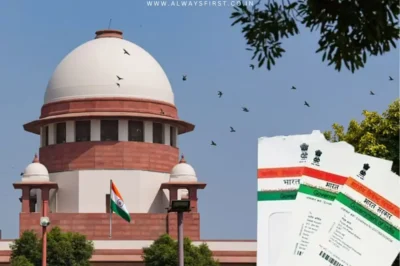
- The Supreme Court has approved Aadhaar and 11 other documents for Bihar residents to submit claims and objections for the state’s voter list.
- The bench strongly criticized political parties for their “last-minute” approach and inaction in the voter list purification process.
- This decision aims to streamline voter registration and enhance the integrity of the electoral roll ahead of future elections.
PATNA: In a significant ruling aimed at democratizing and streamlining the voter registration process, the Supreme Court has given its nod to a comprehensive list of documents, including the Aadhaar card, that residents of Bihar can use to file claims and objections for the state’s electoral roll.
The decision, which comes as part of the ongoing scrutiny of the voter list purification drive in Bihar, is being seen as a major step toward inclusive and hassle-free enrollment. The apex court has effectively widened the net of acceptable proof, ensuring that a lack of specific paperwork does not disenfranchise eligible citizens.
A bench of the Supreme Court, visibly unimpressed with the progress made by political stakeholders, did not mince words when addressing the representatives of various parties. The justices questioned the eleventh-hour rush and pointedly asked why these measures weren’t initiated earlier, highlighting a concerning lack of proactiveness in safeguarding the sanctity of the voter list.
“The court wanted to know why we had not done this sooner. It’s a valid question, but our focus now is on implementing this robust framework effectively,” a source present during the hearing noted.
The list of 11 approved documents, curated to include a range of common identifications, alongside the Aadhaar card, is expected to empower millions of voters. This move allows individuals to easily get their names included, corrected, or objections filed against ineligible entries without being bogged down by bureaucratic hurdles related to document specificity.
For AlwaysFirst, this development is more than an administrative update; it is a reinforcement of the fundamental right to vote. By simplifying the process and holding political parties accountable for their role in maintaining clean electoral rolls, the Supreme Court has underscored the principle that every vote counts, and the system must work to facilitate it, not hinder it.
The election machinery in Bihar is now expected to swiftly integrate these guidelines, ensuring widespread public awareness so that every eligible voter in the state can participate in the democratic process without obstruction.






































Leave a Reply