
In Shorts:
- Amit Shah describes the current GST framework as a “trust-based tax system,” highlighting a move away from a suspicious, inspector-heavy past.
- The government signals its intent to rationalize the GST structure further, aiming for a simpler, three-tier slab system in the future.
- Shah addresses opposition criticism head-on, defending the initial implementation and citing the benefits of a unified national market.
NEW DELHI – In a robust defense of one of India’s most significant economic reforms, Union Home Minister Amit Shah has articulated the government’s vision for the Goods and Services Tax (GST), framing it as a transformative “trust-based tax system” designed to empower businesses and streamline compliance.
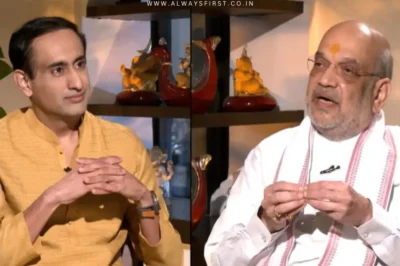
In an exclusive sit-down with NDTV, Shah reflected on the journey of the GST since its rollout six years ago, acknowledging the initial challenges while firmly championing its long-term benefits. He positioned the current model as a decisive break from the past, which was often criticized for a complex web of taxes and a culture of bureaucratic overreach.
“The entire country is witnessing that we are moving towards a trust-based tax system,” Shah stated. His comments underscore a fundamental shift in policy philosophy, aiming to minimize friction between taxpayers and the authorities. This approach, he suggested, is a conscious move away from the previously prevalent “inspector raj” system, where businesses were often subject to intense scrutiny and harassment.
Looking ahead, the senior BJP leader outlined a clear roadmap for the indirect tax regime. He confirmed the government’s commitment to rationalizing the existing multi-tiered slab structure. “We will make it (GST) even simpler… we will try to have a three-tier tax structure,” Shah revealed, indicating that further simplification is a key priority for the government in the coming years.
The Minister also tackled criticism from opposition parties regarding the implementation and complexity of the GST head-on. He countered the narrative by highlighting the creation of a unified national market, which has eliminated the cascading effect of taxes and dismantled interstate check posts, significantly speeding up the transport of goods.
Shah’s interview serves to reinforce the government’s narrative on the economic union fostered by GST. By emphasizing “trust” and “simplification,” the message is tailored to appeal to the trading community and businesses that form the backbone of the Indian economy, assuring them of a more transparent and efficient tax environment in the future.






































Leave a Reply